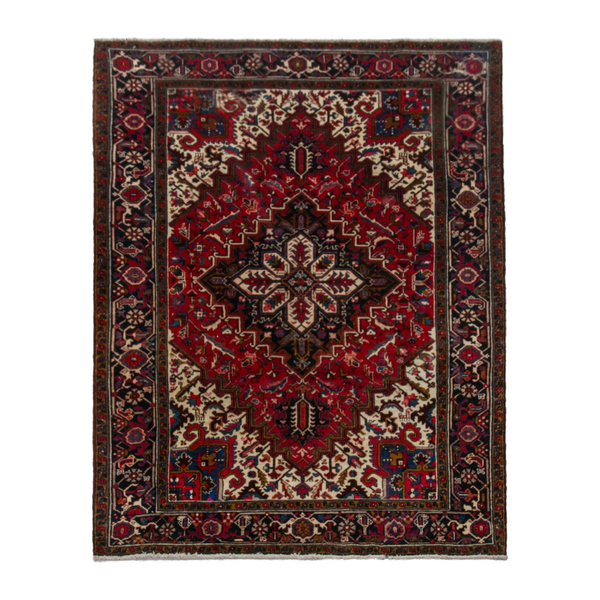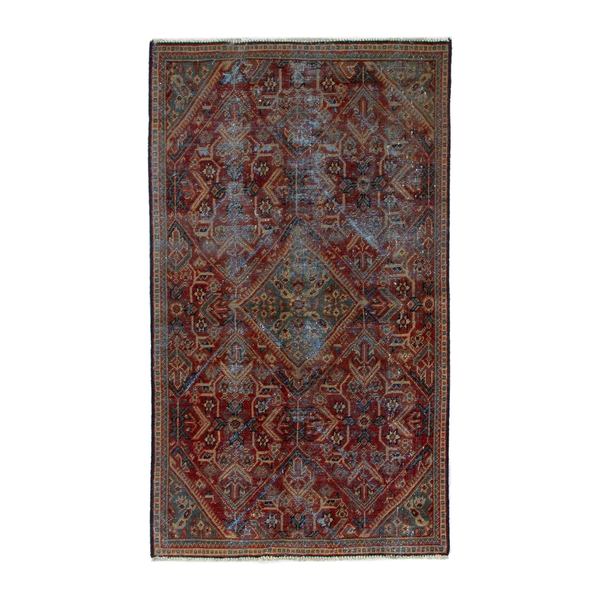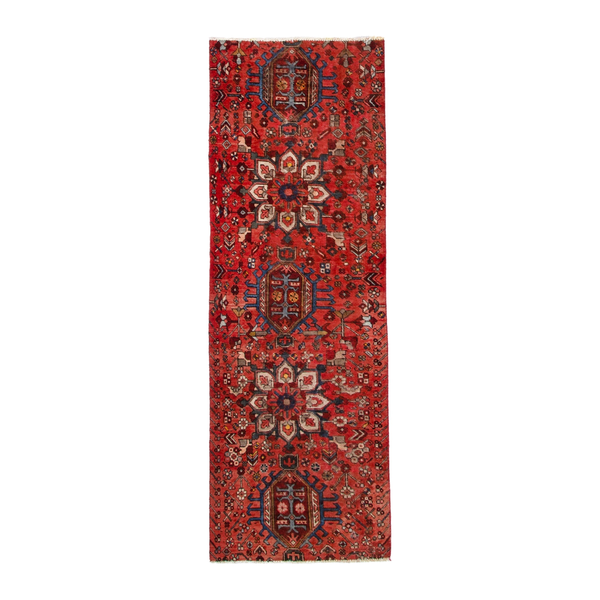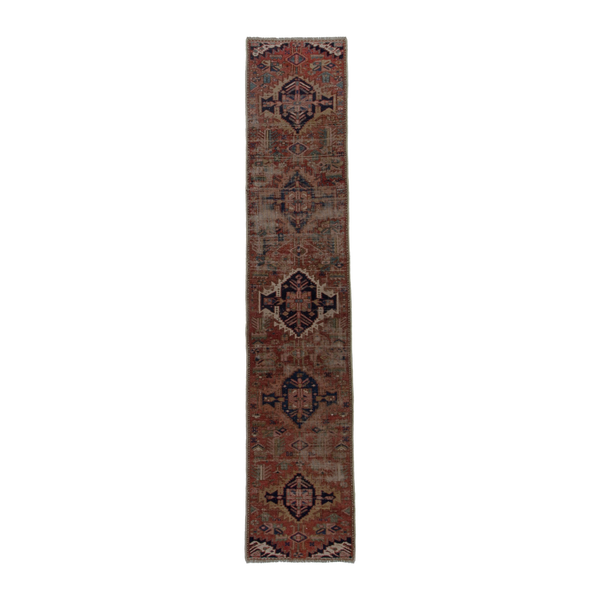
If Hamedan is the name you see most often on our Persian side, Isparta is its Turkish counterpart. Around one rug in five on this site was woven there, which makes it the single largest origin in the catalog. It is also the least expensive thing we sell that is not a compromise. This is a guide to what an Isparta is, why they nearly all look the same kind of pale, and who they suit.

Lake country, and a workshop rather than a village
Isparta sits in the lake country of south-western Turkey, inland from the coast and high enough that the winters are real. The rugs that carry its name were not woven one at a time in farmhouses the way a Hamedan was. Isparta ran workshops. Looms were set up in numbers, designs were drawn out in advance, and weavers worked to a plan.
That shows in the rugs. An Isparta is unusually even. The borders keep their width from one end to the other, the medallions sit where they were meant to sit, and a pair of rugs woven the same year will often be close enough to use in two rooms that face each other. If you have looked at village weaving and found the wandering charming but impractical, this is the other end of that.
Why they are all so quiet
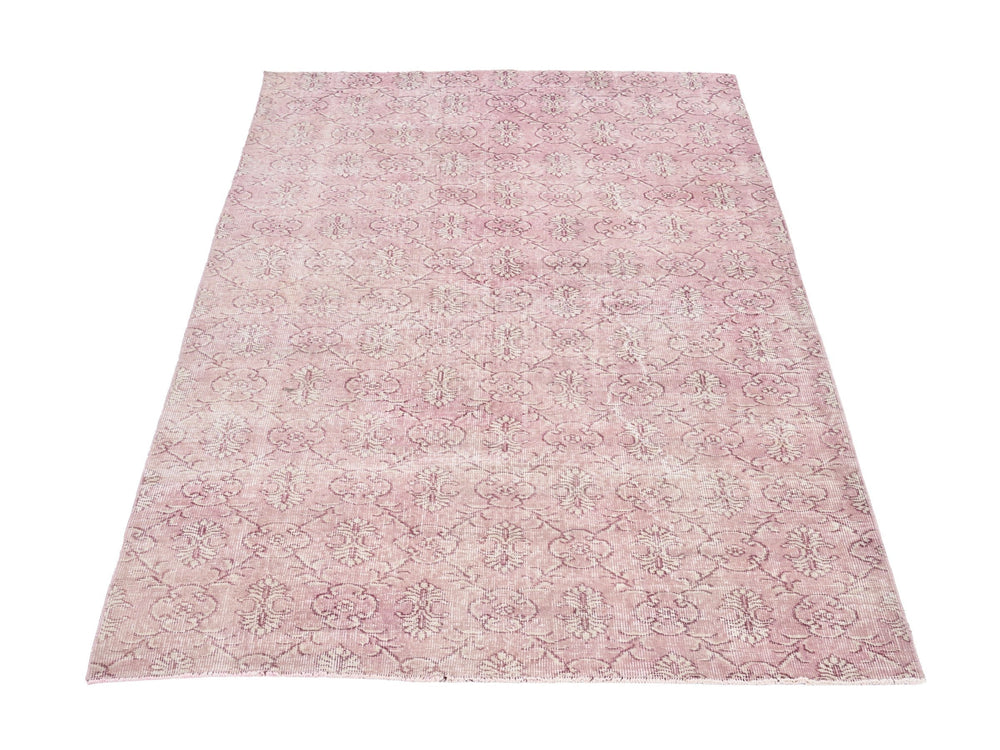
Pull up our Isparta collection and the palette repeats: cream, greige, muted pink, taupe, dusty rose, ivory. Out of 577 Isparta rugs on the site right now, over half lead with cream or ivory, and almost none of them shout.
Two things caused that. The first is the wool. Central Anatolian fleece from this region takes dye lightly and holds a lot of undyed cream in the blend, so even the saturated colors sit softer than they would on Persian wool. The second is fifty years of daylight. These are 1970s rugs. A red that started clear has spent half a century easing toward rose, and the change is even because the weave is even.
The practical consequence is that Isparta rugs are the easiest vintage rugs to place. They do not fight a room. If you have been circling neutral rugs and finding most of them either brand new or beige in a flat, factory way, this is where the vintage version of that lives.

How to recognize one
Three things, in order of how quickly you can check them.
The pile is low. Every single Isparta rug we currently hold has a low pile, all 577 of them, and that is not a coincidence of buying. It is how the region wove. Run a hand across one and the drawing stays crisp under your fingers rather than disappearing into depth.
The drawing is deliberate. Motifs are spaced, not crowded. Where a village rug fills every gap, an Isparta leaves the field open and lets the medallion carry the rug.
The back is legible. Turn a corner over. On a hand-knotted Isparta you will see the pattern repeated on the reverse in clear, countable knots. Our guide on hand-knotted versus machine-made covers what you are looking at.
What size you will actually find
Isparta wove for rooms, not for halls or palaces. Of the ones we hold, the great majority fall between about four by six and six by nine feet, which is living-room and dining-room territory. There are smaller accent pieces. There is almost nothing genuinely oversized, so if you need a rug for a large open plan you will be looking at Persian origins instead.
If you are unsure what size your room wants before you start, the size guide is the faster way in.
Who should buy one
An Isparta is the rug we point to when someone wants a real vintage piece, has a normal room and a normal budget, and does not want to think about it too hard. They run from about $150 to $850, with the middle of the range around $450, which for a hand-knotted rug that has already survived fifty years is close to unreasonable.
They are not the rug for you if you want a room to turn and look. The colors are soft, the drawing is orderly, and an Isparta is content to be the floor. If you want the other thing, read the Heriz guide and start there instead.