Colorful Rugs
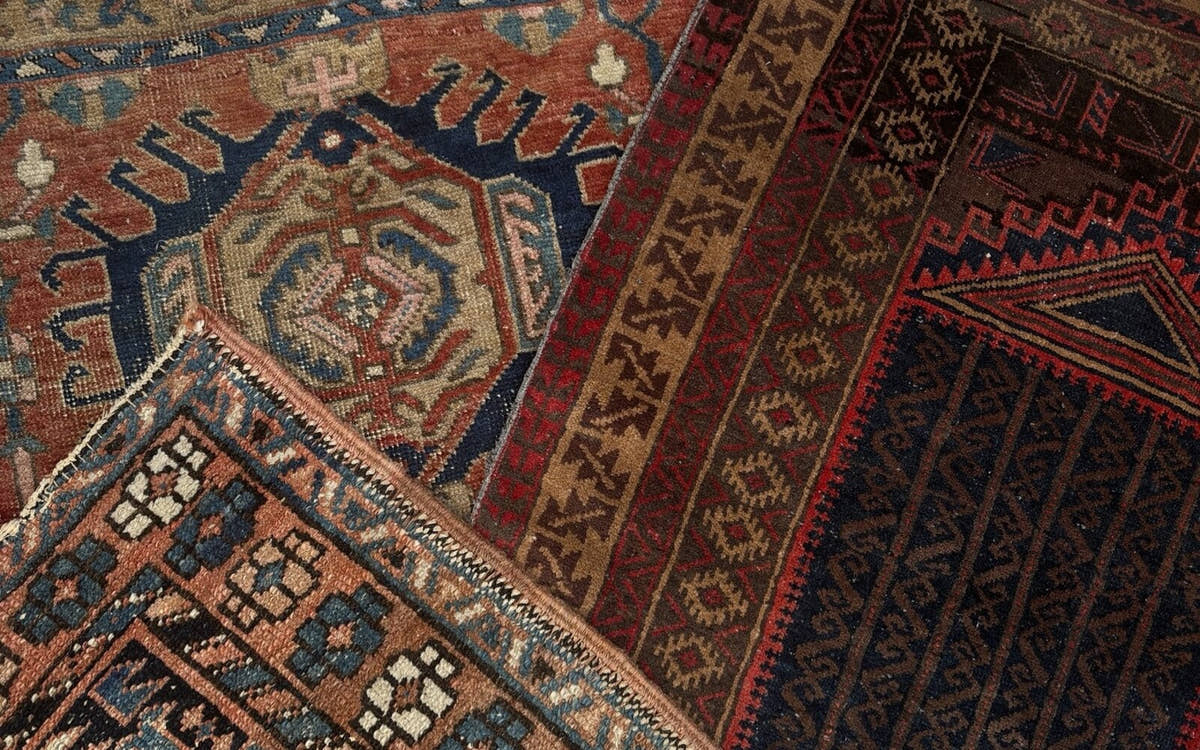
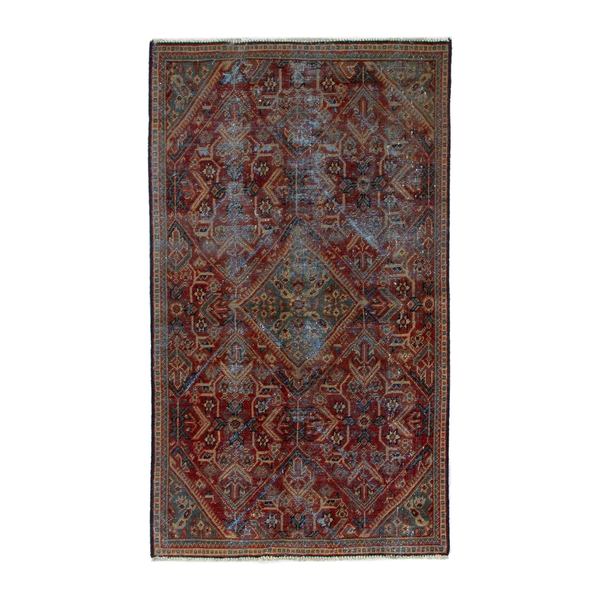
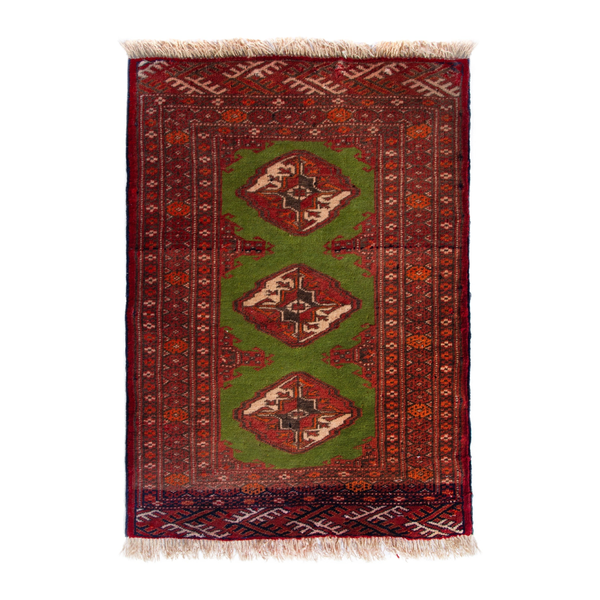
Colorful rugs turn the floor into the best thing in the room. Reds, blues, golds and greens crowd these fields, the full reach of a weaver's dye pots, and forty-odd years of use have blended them into something warm rather than loud.
Each was hand-knotted in Persia or Turkey, then cleaned and restored by our team. Set one against plain walls and let it write the palette for everything else.




Colorful rugs, and why the old ones work
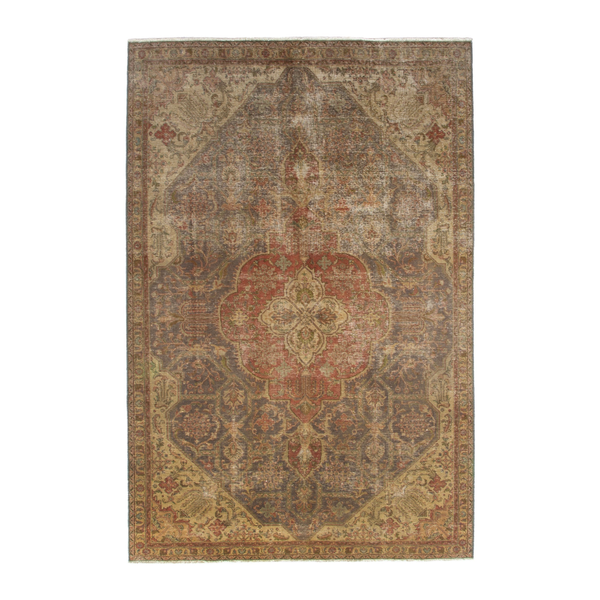
Colorful rugs are for people who look at a floor and see an opportunity. These fields are packed with reds, blues, golds and greens, the full reach of a weaver’s dye pots, yet they almost never look chaotic, and there is a reason for that. A brand-new multicolored rug can jangle; a vintage one has had forty to eighty years for its colors to settle. Each piece here is hand-knotted, wool on cotton, cleaned and restored by our workshop, and completely one of a kind.
How time turns loud into harmonious
Two things pull an old, busy rug together. First, gentle fading: decades of light nudge every color toward a shared, softened key, so reds, blues and golds that might once have clashed now belong to the same family. Second, the weavers themselves, they balanced their palettes by instinct, using ivory grounds and dark outlines to give the eye somewhere to rest between the colors. That combination is why a genuinely old colorful rug feels lively and composed at once, and it is a quality that only years of settling can produce.
Letting the rug lead the room
A colorful rug is a gift to a plain space. Set it against neutral walls and simple upholstery and it becomes the focal point immediately, often the starting palette for everything else. The method is straightforward:
- Keep walls, sofas and curtains quiet so the rug has room to speak.
- Pull one or two of its colors into cushions, art or a throw to tie the room together.
- Choose an open, airy field for liveliness, or a dense one for cosy richness.
- Go easy on competing patterns nearby so the rug stays the star.
Surprisingly practical underfoot
Here is the part people miss: a busy, multi-hued field hides everyday life better than almost any plain rug. Crumbs, footprints and the odd spill vanish into the pattern, which makes these pieces genuinely well suited to family rooms, entries and dining rooms. The wool is durable and decades-proven, so they take real traffic and only mellow further with age. Try them in living rooms, as an area rug, or as a lively hallway runner.
Building a palette from the floor up
One of the quiet pleasures of a colorful rug is that it does your color-scheming for you. Instead of agonising over paint chips and swatches, you borrow from a palette that a weaver already balanced by eye, and that decades of fading have proven works together. Pick the two or three colors that recur most across the field and let them reappear elsewhere: a cushion in the rug’s dominant red, a lampshade in its gold, a book spine or vase that catches the green. You do not need to match precisely; the point is to echo. Done this way, a single rug can set the tone for an entire room and save you a dozen smaller decisions.
Questions about colorful rugs
Will a multicolored rug fight my existing furniture?
Usually the opposite. Because the colors have aged into one soft key, a vintage colorful rug tends to contain a tone that already picks up something in your room, pull that thread and the rest falls into line.
Can I use two patterned rugs together?
You can, as long as one leads. Give the bolder rug the main floor and let the second be smaller and quieter, or share a single color between them so they read as a pair rather than a competition.
Do busy rugs suit small rooms?
They can make a small room feel intimate and characterful. Keep the surrounding surfaces calm and the rug becomes a cosy focal point rather than a crowd.
If color is the thing your rooms have been missing, this is where to start. Take a look at the newest arrivals in the collection, each is the only one of its kind, so a favorite will not wait around.