Hallway & Entry Rugs
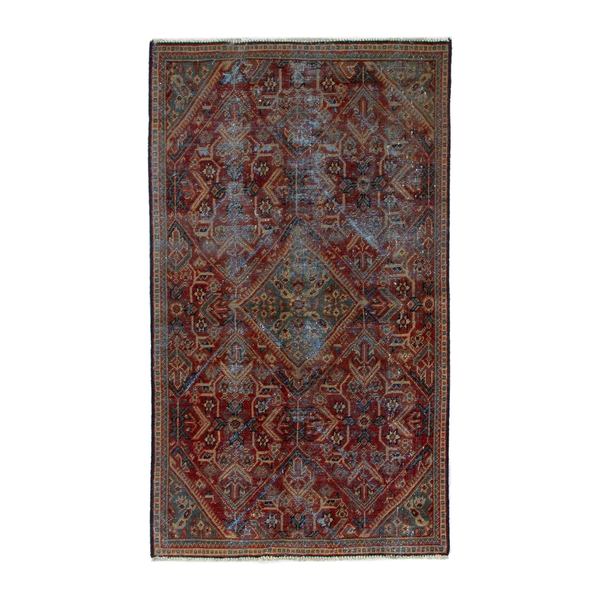
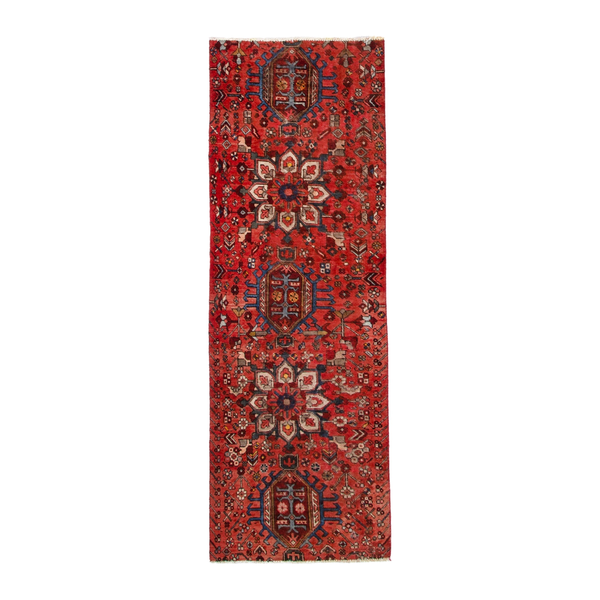
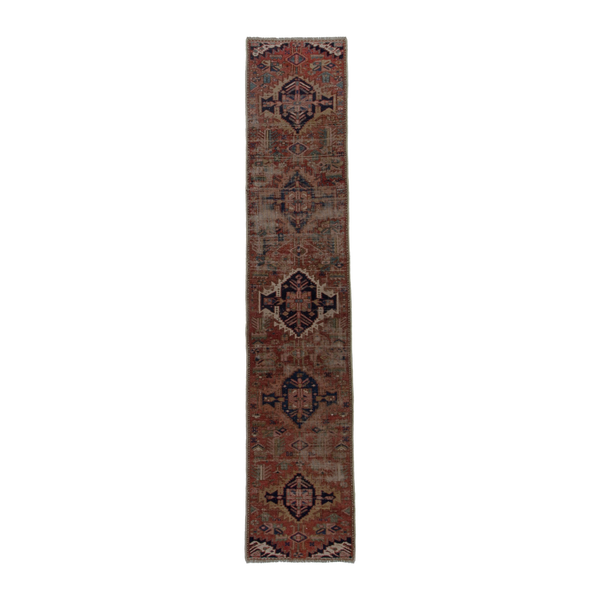
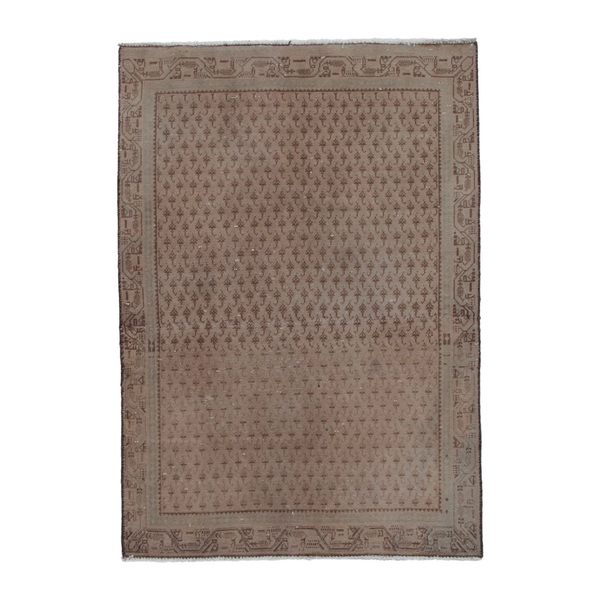
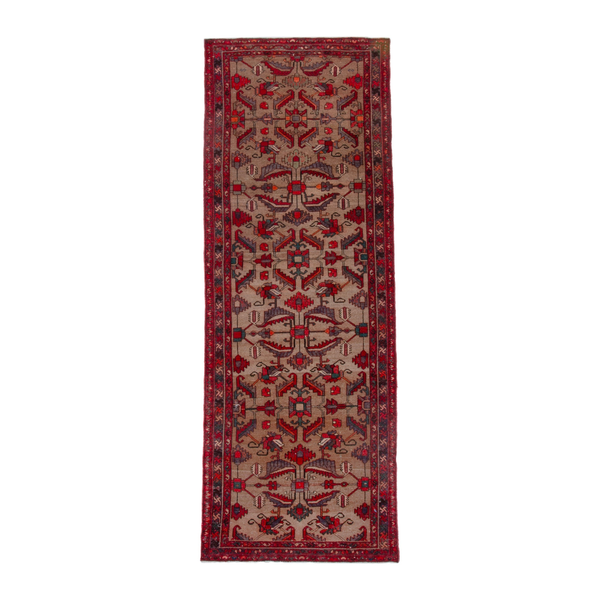
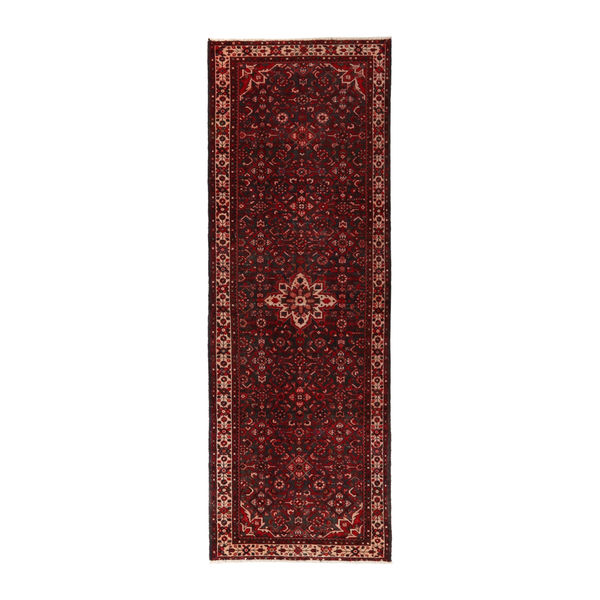
Hallway and entry rugs turn the first floor anyone sees into a warm welcome, protecting the boards from wet shoes and giving a plain corridor real character. These are hand-knotted wool, forty-odd years old, cleaned and restored, and impossible to duplicate.
A long runner suits a hall, leave a little floor showing at each end, while a tough small rug just inside the door greets an entry. Make the first step count.



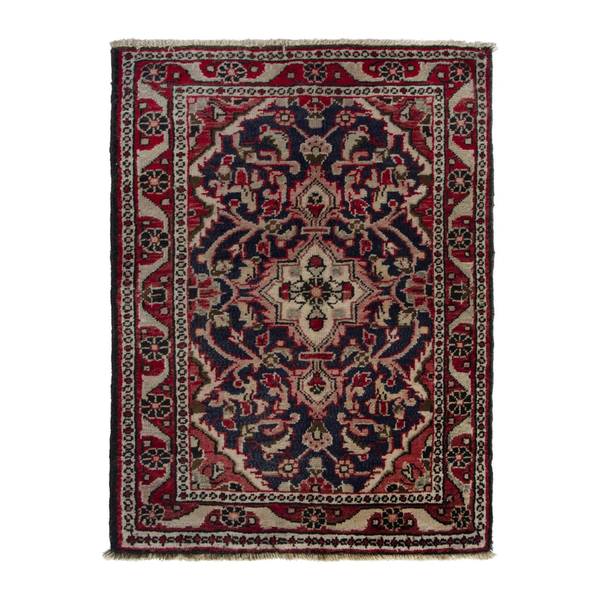


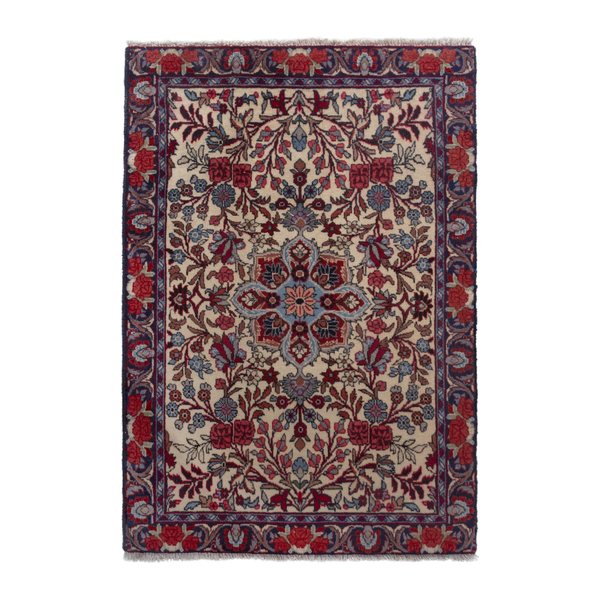


Runners and mats: choosing hallway and entry rugs
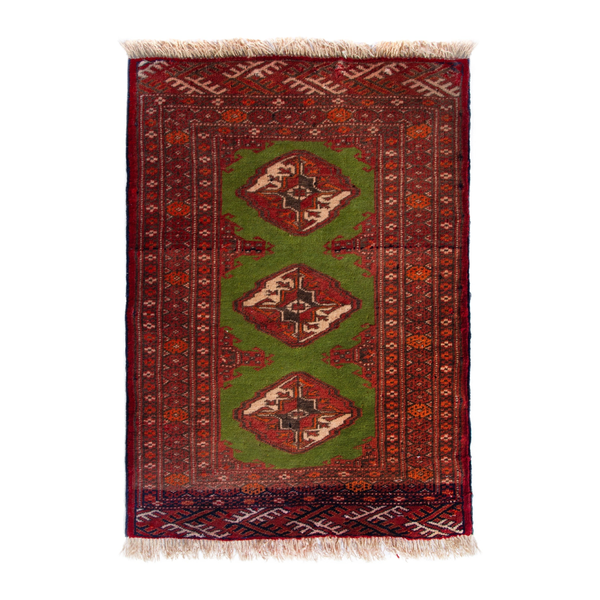
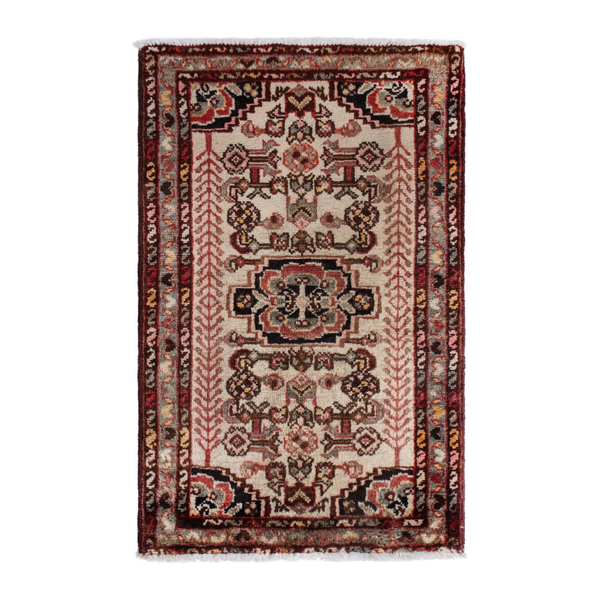
Hallway and entry rugs greet everyone who comes through the door, turning an overlooked strip of floor into a genuine moment of welcome. A runner or entry mat adds warmth underfoot, protects the boards beneath from wet and gritty shoes, and gives a plain corridor character it would otherwise never have. These are among the most-walked stretches in any home, which is exactly where hand-knotted wool earns its keep, the pieces here are 40 to 80 years old, already hardened by decades of use, and each one is unique.
A runner for the hall, a mat for the door
The two spaces call for slightly different pieces. A hallway wants a runner, ideally a single length that leaves a little floor showing at each end and a slim margin along both sides, so it frames the corridor instead of filling it. An entry is better served by a small, tough rug set just inside the door to catch the worst of the weather and mark the threshold. Both can carry a bolder pattern than you would risk in a whole living room, because the eye reads a narrow space differently.
Measuring a hall runner
Measure the length of the corridor and leave roughly 20 to 30cm of bare floor at each end so the runner does not run straight into the skirting:
- Long or narrow halls may need two runners laid end to end, leave a small gap between them rather than overlapping.
- Wider entrance halls can take a small area rug instead of a runner.
- Awkward lengths are common, which is why every piece lists its exact measurements.
Browse the full runners collection, and use the size guide to settle on a length before you fall for a pattern.
The place to be bold
Halls and entries are easy to neglect, which is precisely why a striking rug there lands so hard. A bold tribal piece just inside the door sets a confident, collected tone for the whole home, while a long patterned runner turns dead circulation space into one of the most memorable stretches of the house. Since these areas are small and passed through rather than lived in, they happily carry strong color and busy pattern that might overwhelm a larger room, a good spot for a piece from our accent rugs that you love but could not place elsewhere.
Built for heavy footfall
Few floors in a home take more traffic than the front door and the halls leading off it, so they need a rug that can cope, and old hand-knotted wool, having already weathered decades, is built for it. A non-slip pad underneath is the priority here: it stops a runner sliding on a hard floor, which matters most at a threshold where shoes arrive wet. Vacuum regularly to lift the grit that shoes track in, and rotate the runner end to end once or twice a year so the busy stretch by the door wears at the same pace as the far end.
Entry and hallway questions
My hallway is really long, one runner or two? If no single piece fits, two runners laid end to end with a small gap look intentional and let you pair complementary designs. Matching the rough width matters more than matching the pattern.
Will a rug make a narrow hall feel narrower? The opposite, usually. A runner that leaves floor showing on both sides draws the eye along the corridor and makes it feel longer and more finished, not tighter.
What about wet boots at the door? Use a dense, darker-toned entry rug over a non-slip pad and let it dry between soakings. Wool copes with damp far better than most people expect.
The right runner changes a home from the doorstep in, and each of ours is the only one we will have.