Living Room Rugs
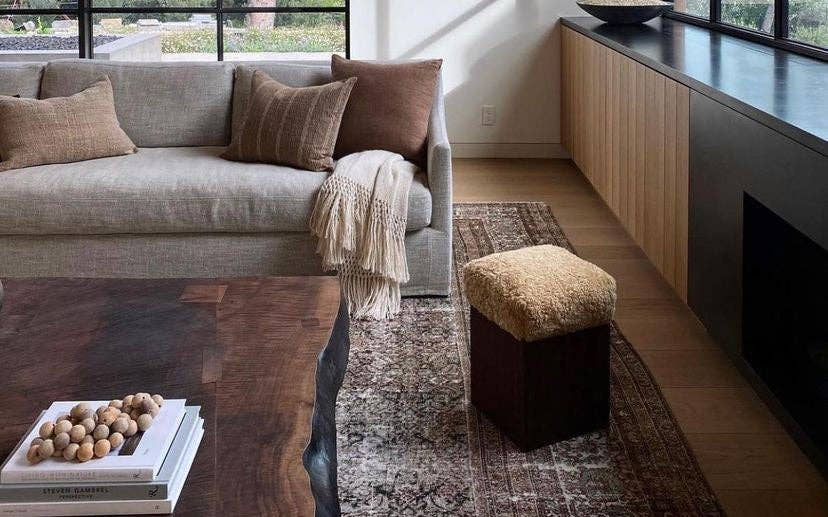
Living room rugs carry the busiest, most-looked-at floor in the house, drawing the sofa and chairs into a single seating group. These are hand-knotted wool, four to eight decades old and restored by hand, each the only one of it.
Set the front legs of your sofa and armchairs on the rug so the arrangement reads as one connected zone, and check the exact dimensions listed on each rug against your layout. Sold once, then gone for good.


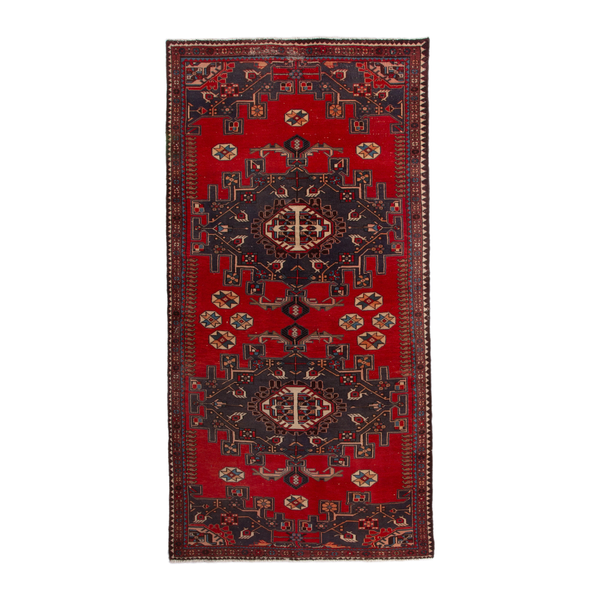
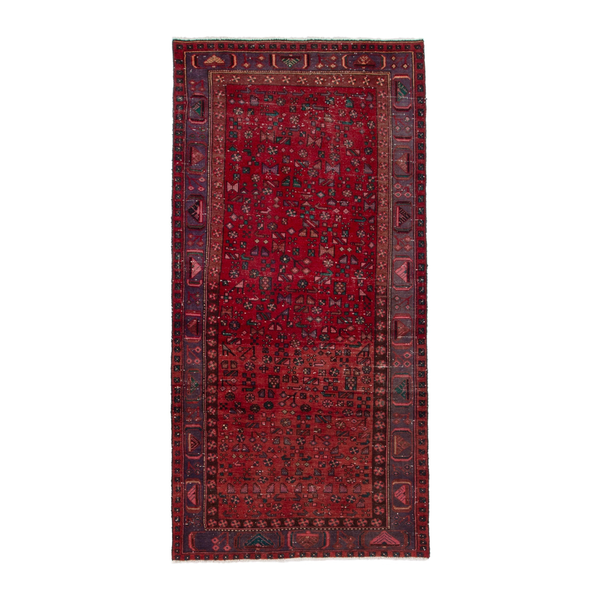
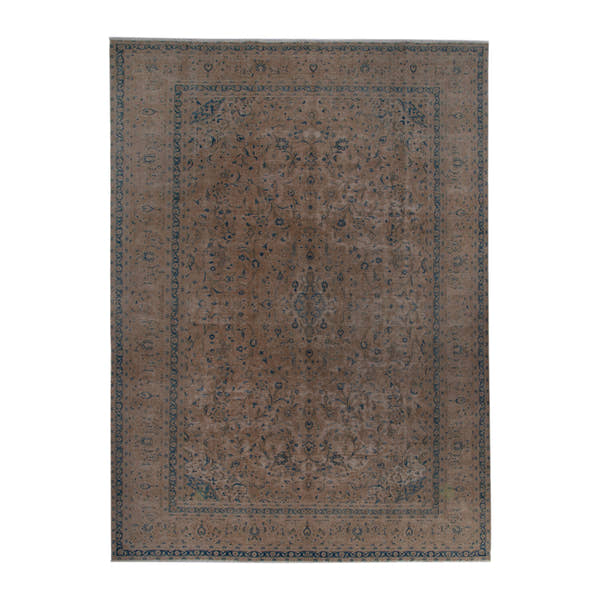
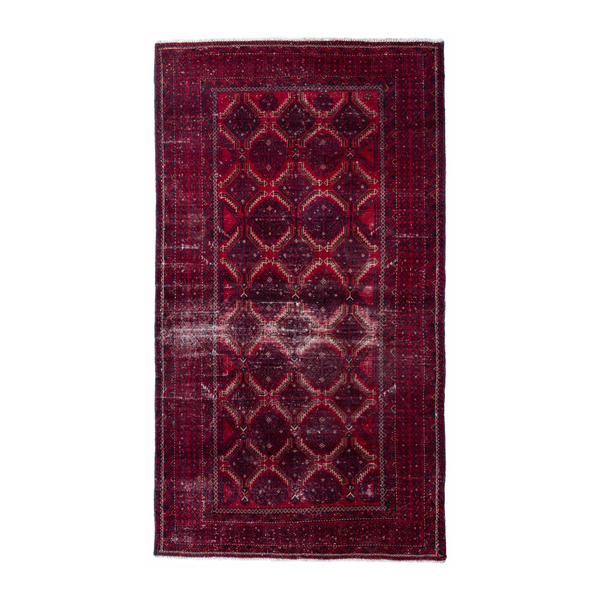


Choosing living room rugs that anchor the whole space
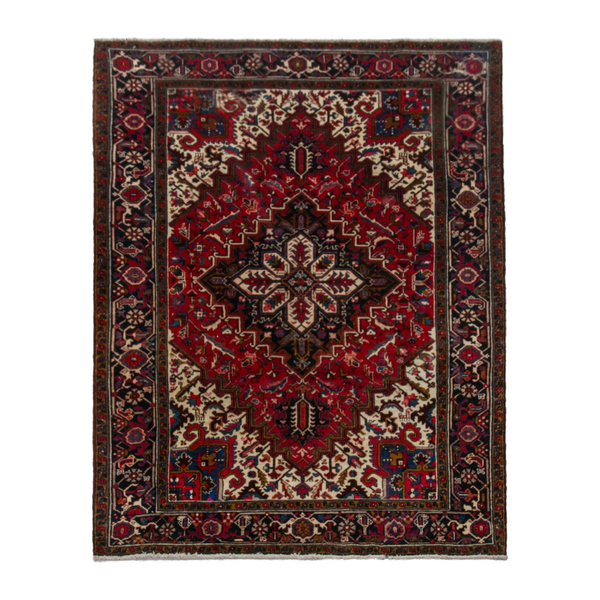
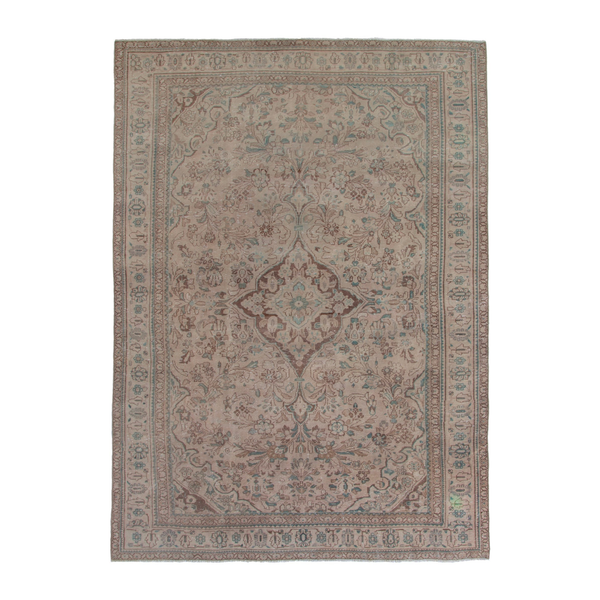
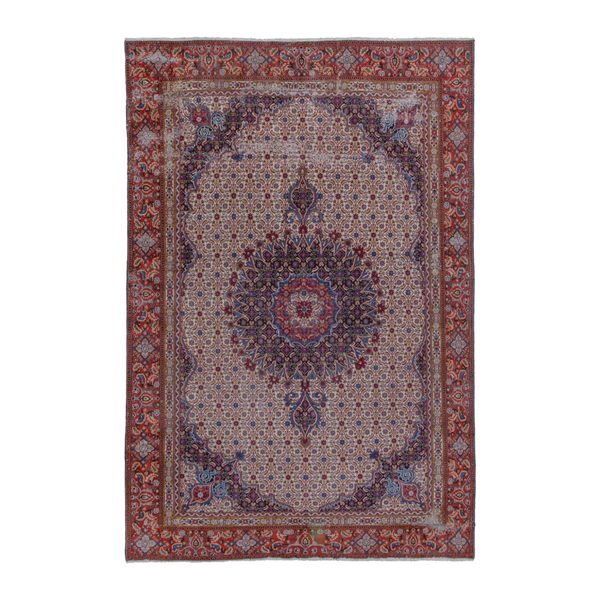
Living room rugs do more visible work than any other floor covering in the home. They pull a scattered set of furniture into one seating group, soften the acoustics of a room full of hard surfaces, and set the color story that cushions, throws and art then follow. Because this floor is walked, sat beside and looked at every day, hand-knotted wool earns its place here, the pieces in this collection are 40 to 80 years old, already broken in by decades of use, and each one is unique.
Placing the rug under your seating
The mistake we see most often is a rug that floats too small in the middle of the room. Aim instead for a piece wide enough that the front legs of the sofa and every armchair rest on it; that single move ties the arrangement together and stops the seating from drifting apart. In a larger or open-plan room, a rug generous enough to hold all four legs of every piece looks even more deliberate. Leave a roughly even margin of bare floor, around 20 to 30cm, on show around the edges so the rug frames the group rather than reaching wall to wall.
Getting the measurements right
Every rug here lists its exact length and width, so measure before you browse. Mark out your sofa and chairs, then add the depth you want the rug to extend in front of and between them. Common living-room sizes sit in the area rug range, while broad, open layouts often need an oversized piece. Our size guide walks through the maths if you are caught between two options. Where a room has a fireplace or a media wall, orient the rug to the seating rather than the architecture, and always work from the exact centimeter figures on the listing rather than a rounded “about” size, a difference of ten centimeters is what decides whether a chair leg lands on or off the pile.
Color, pattern and everyday wear
Since the rug often sets the palette, choose it with the rest of the room in mind:
- Busy family rooms: an all-over pattern disguises crumbs, paw prints and the ordinary traffic of daily life between cleans.
- Bold furniture or art: a calmer, more tonal field lets those pieces lead without competing.
- Warmth: reds, rusts and golds make a room feel enclosed and welcoming.
- Calm: blues, grays and soft neutrals keep an open space serene and flexible.
Pull one or two of the rug’s colors into your cushions or curtains and the whole room settles into place.
Living with a wool rug day to day
A high-traffic floor asks a lot of a rug, and old hand-knotted wool is built for it. The natural lanolin in the fiber shrugs off the odd spill, and decades-old dyes have long since settled, so colors stay steady. A good non-slip pad underneath adds cushioning and protects both rug and floor. Vacuum regularly, rotate the rug once or twice a year so the sunny side and the path to the sofa wear evenly, and blot any spill straight away rather than rubbing it in.
Common questions about living room rugs
Should all the furniture legs sit on the rug? Front legs on is the reliable minimum and suits most rooms. If your space and budget allow a rug that holds every leg, the result looks more luxurious, but a half-on arrangement is a genuine design choice, not a compromise.
Can I layer a smaller rug over a larger neutral one? Yes, and it is a good way to use a striking smaller piece from our accent rugs without it looking marooned. Anchor the plain base under the seating and let the patterned rug sit on top, centered on the group.
How do I stop the rug creeping on a hard floor? A gripper pad cut to size holds it flat, adds softness and keeps the edges from curling, worth it on any wood or tile floor.
When a rug here suits your room, act on it: each is one of one, and once it sells it does not come back.
Going over existing carpet or wide board hardwood? Read layering rugs over carpet and hardwood before you choose.