Area Rugs
Area rugs are the room-sized pieces, roughly 5×8 up to 8×10 feet, that most living rooms, bedrooms and dining spaces are built around. Big enough to gather a seating group or frame a bed.
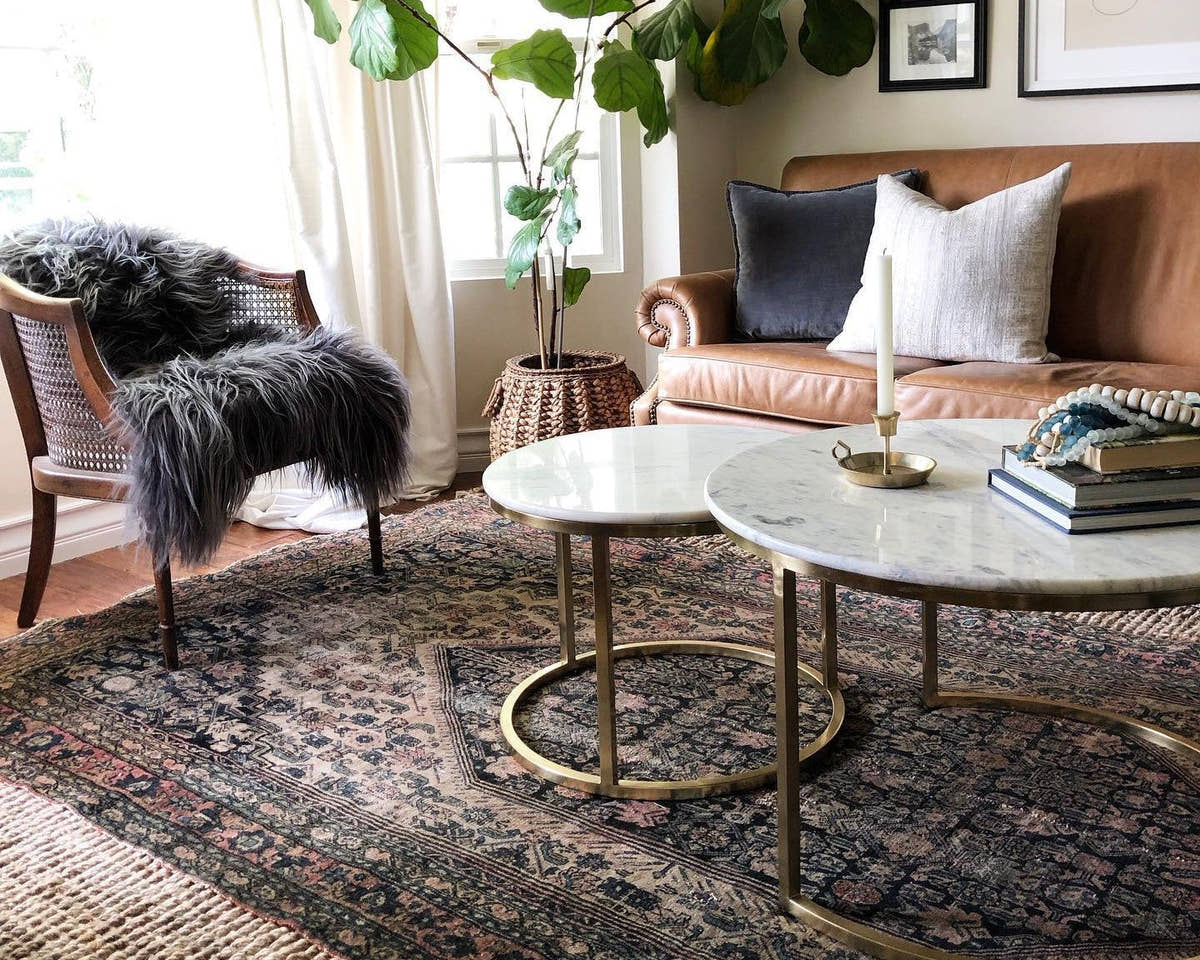
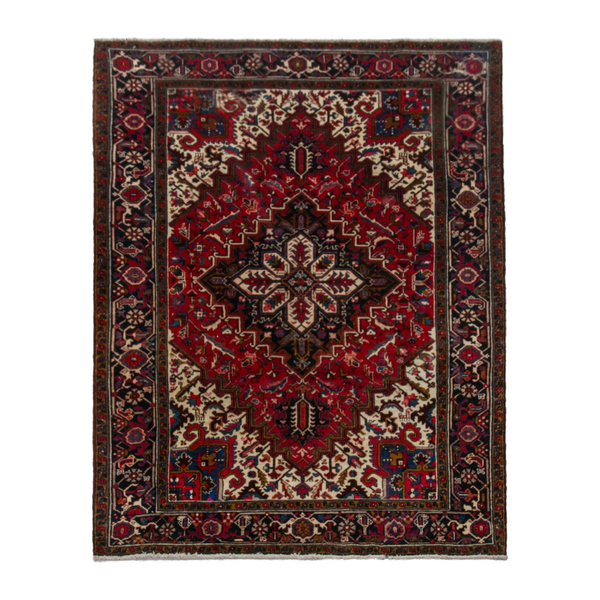
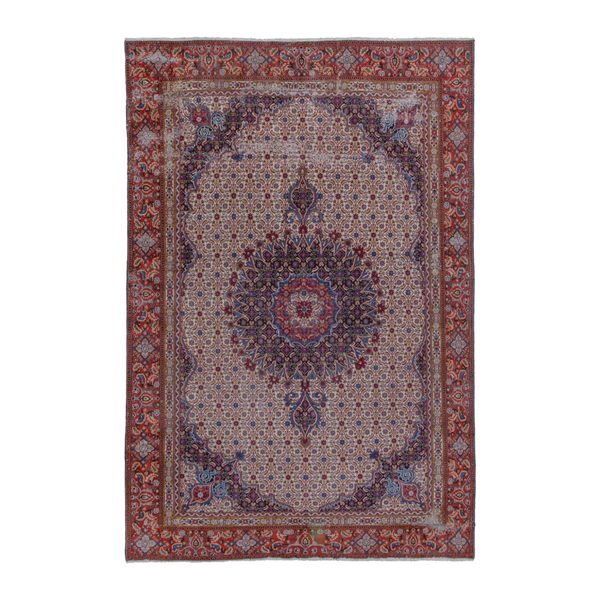
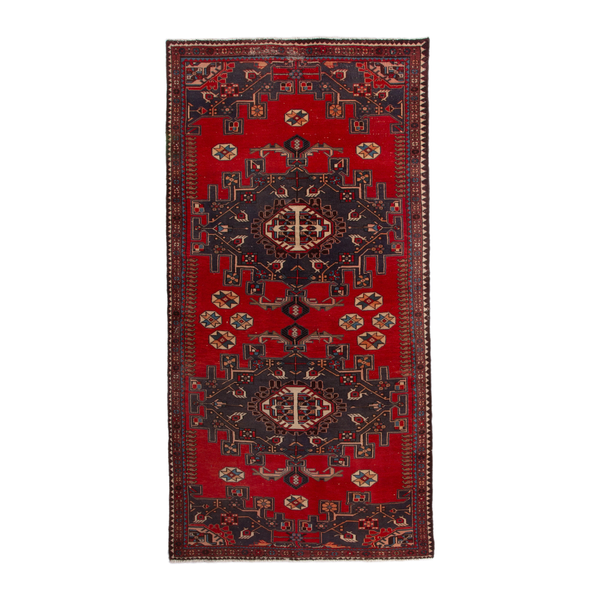
In a lounge, sit at least the front legs of the sofa and chairs on the rug so the group holds together. Wool on cotton, hand-knotted, and old enough that the pattern has already learned to hide everyday wear. The everyday size that does most of the work.

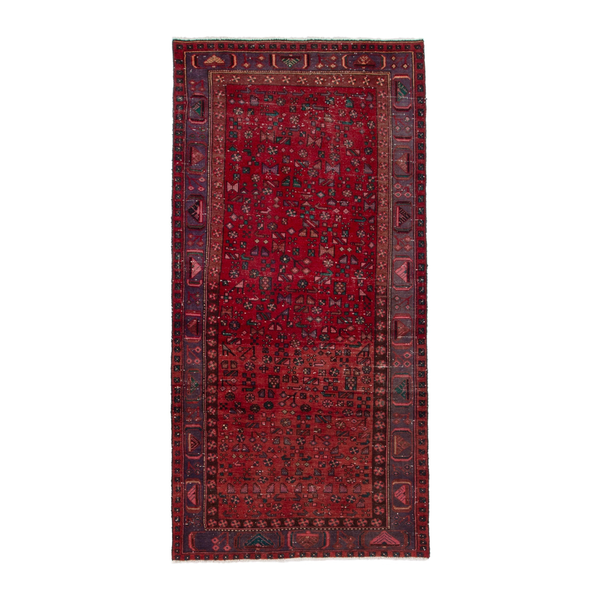
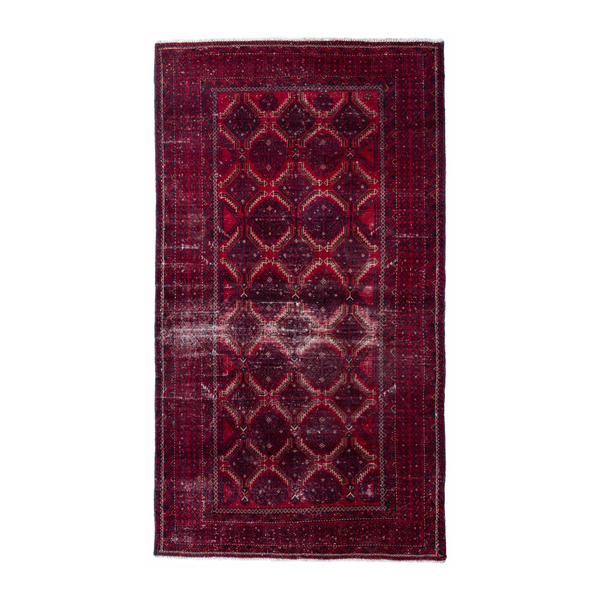


Choosing an area rug that fits the room
Area rugs are the mid-size, room-defining pieces, broadly 5×8 through 8×10 feet, that most living rooms, bedrooms and dining rooms are planned around. They are large enough to gather furniture into a group and ground it, yet still light enough to lift and reposition on your own. This is the size band most people buy, and getting the dimensions right matters more than almost any other choice you make for the room.
Living rooms
The common mistake is a rug too small, stranded in the middle of the floor with the sofa marooned on bare boards. Aim instead for the rug to run under at least the front legs of the sofa and the chairs around it, so the whole seating group shares one island. In a larger lounge, floating every leg on the rug looks more generous still. Leave a roughly even border of floor between the rug and the walls, a hand’s width or more. There is more on this in living room rugs.
Dining rooms
A dining rug has one firm rule: it must be big enough that the chairs stay on it when they are pulled out to sit down. That means allowing about 60cm (24in) of rug beyond the table edge on every side. Measure your table, add that margin all round, and you have the minimum size, anything less and the back legs drop off the edge at every meal. The dining room rugs here are grouped to make that sum easier.
Bedrooms
In a bedroom the rug should read as a soft border around the bed. Set it so it reaches well past the sides and the foot, far enough that your feet meet wool when you get up, with the top third or so tucked under the bed and the bedside tables. One larger area rug under the bed usually looks calmer than small mats scattered around it; see bedroom rugs for the range.
Open-plan and awkward rooms
In an open-plan space an area rug does more than soften the floor: it draws an invisible boundary around the living zone and separates it from the kitchen or dining end. Let the rug follow the shape of the seating rather than the shape of the whole room, and keep its edges clear of the traffic path that runs through the space. Rectangular rugs suit most rooms, but a squarer piece can flatter a square room, and a long, narrow one can echo a galley layout. Match the rug’s proportion to the furniture group it serves, not to the four walls around it.
A quick way to land the right size
- Measure the actual furniture layout, not the whole room, first.
- In the living room, front legs on the rug is the minimum; all legs is better.
- In the dining room, add 60cm (24in) beyond the table on every side.
- Tape the outline on the floor and live with it for a day before deciding.
- Every listing gives the exact size in feet and inches, match it to your tape.
Rugs made for daily life
An area rug is underfoot every day, so it earns its keep by lasting. Hand-knotted wool, already softened by decades of use, takes household traffic in its stride and tends to look better with age rather than worse. A good pad underneath adds cushioning and grip; turning the rug once or twice a year evens out wear and sun-fade; regular vacuuming and prompt blotting of spills handle the rest. A pad also lifts the pile slightly off the floor so the rug can breathe and dry after the odd splash, and it spares timber and tile the friction of a heavy rug shifting underfoot. If your room needs something beyond this band, the oversized rugs pick up where these leave off, and the size guide covers measuring room by room.
Not sure which size to start from? How to choose the right rug size works through the common room shapes with real measurements.