Purple Rugs
Purple is one of the smallest color groups we carry. In the natural-dye tradition, dyers layered red over blue to reach aubergine, plum, mauve or dusky violet, and weavers have used the color sparingly ever since, so it turns up far less often than red or blue.
Each rug here was hand-knotted in Turkey or Persia about fifty years ago and professionally washed by specialists we have trusted for years before it was listed. Purple sits between warm and cool, which is why it flatters brass, cream and deep green alike. Hunt for the shade that answers your light.









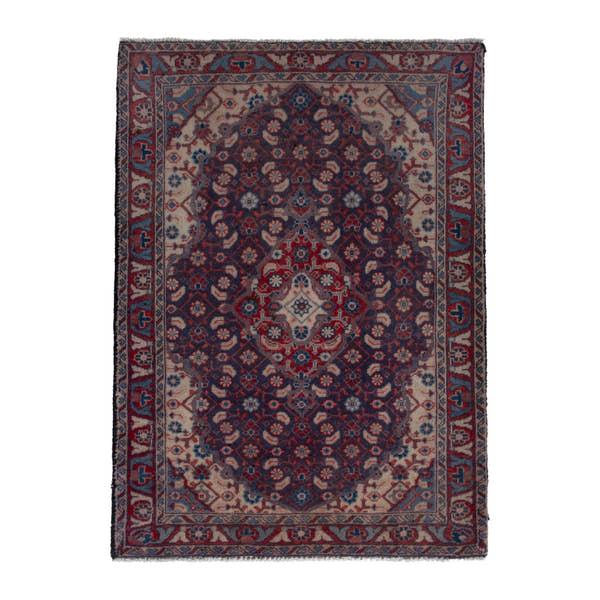

Why purple rugs are so hard to find
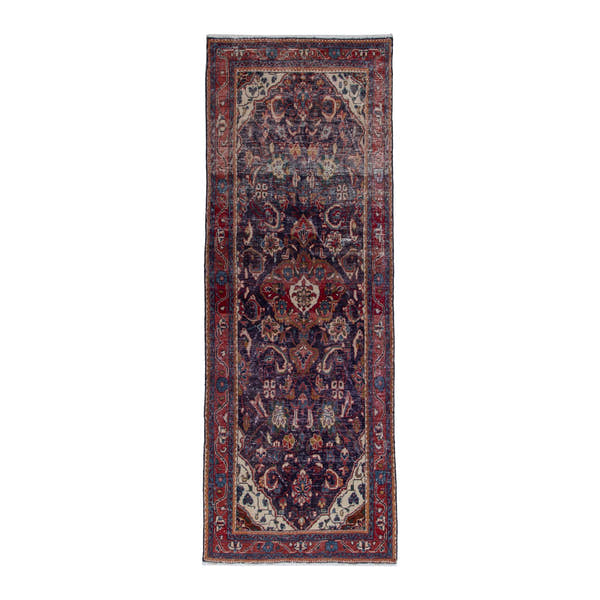
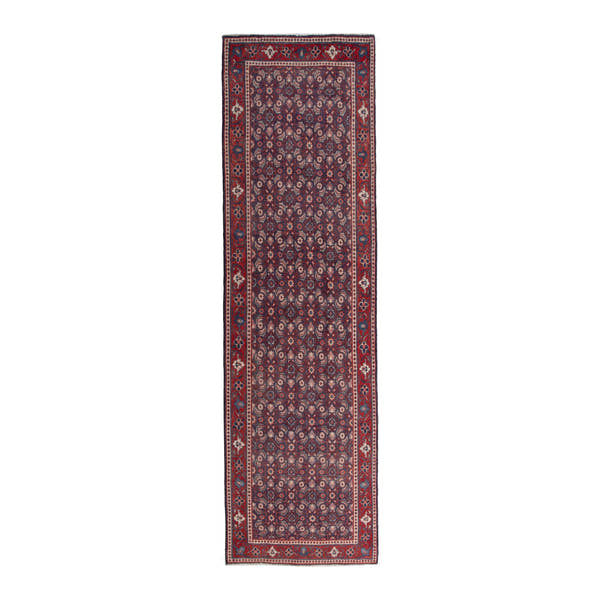
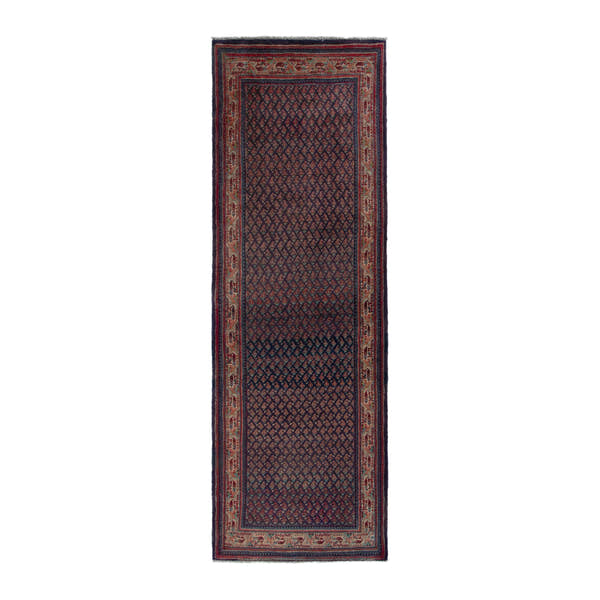
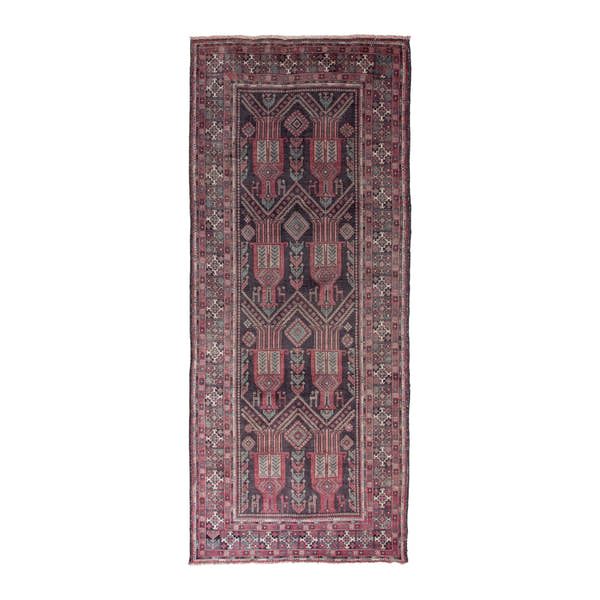
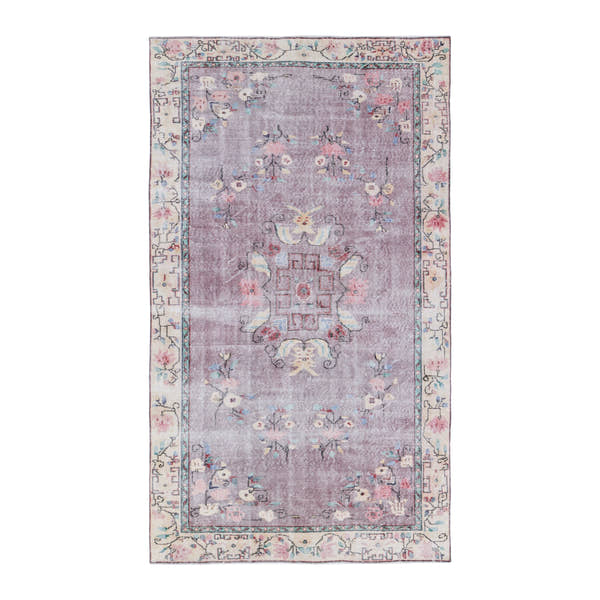
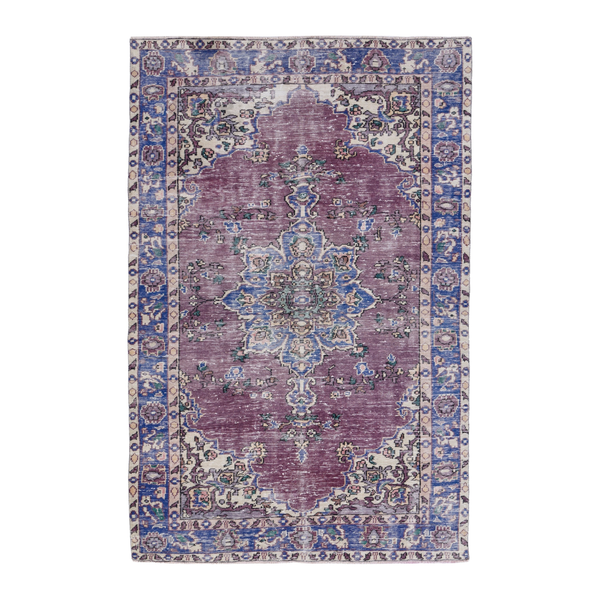
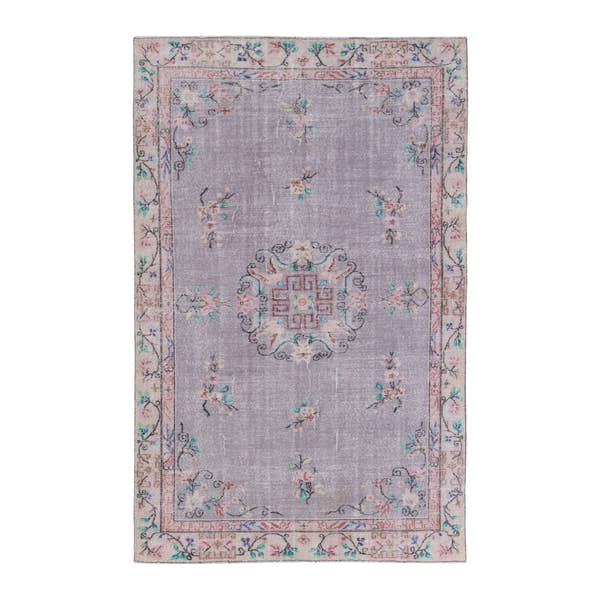
Purple rugs are among the scarcest colors in our stock, and there is a good historical reason for it. In the natural-dye era, weavers could not simply reach for a pot of purple; they built the color by layering a red dye such as madder over a blue one such as indigo, a slow and costly process that few workshops bothered with. The habit of using purple sparingly lasted, which is why aubergine, plum and mauve turn up so rarely among older Persian and Turkish weaves. Everything here is a hand-knotted original, wool pile on a cotton foundation, cleaned by trusted specialists and sold as a single, unrepeatable piece.
The purple range, from aubergine to lilac
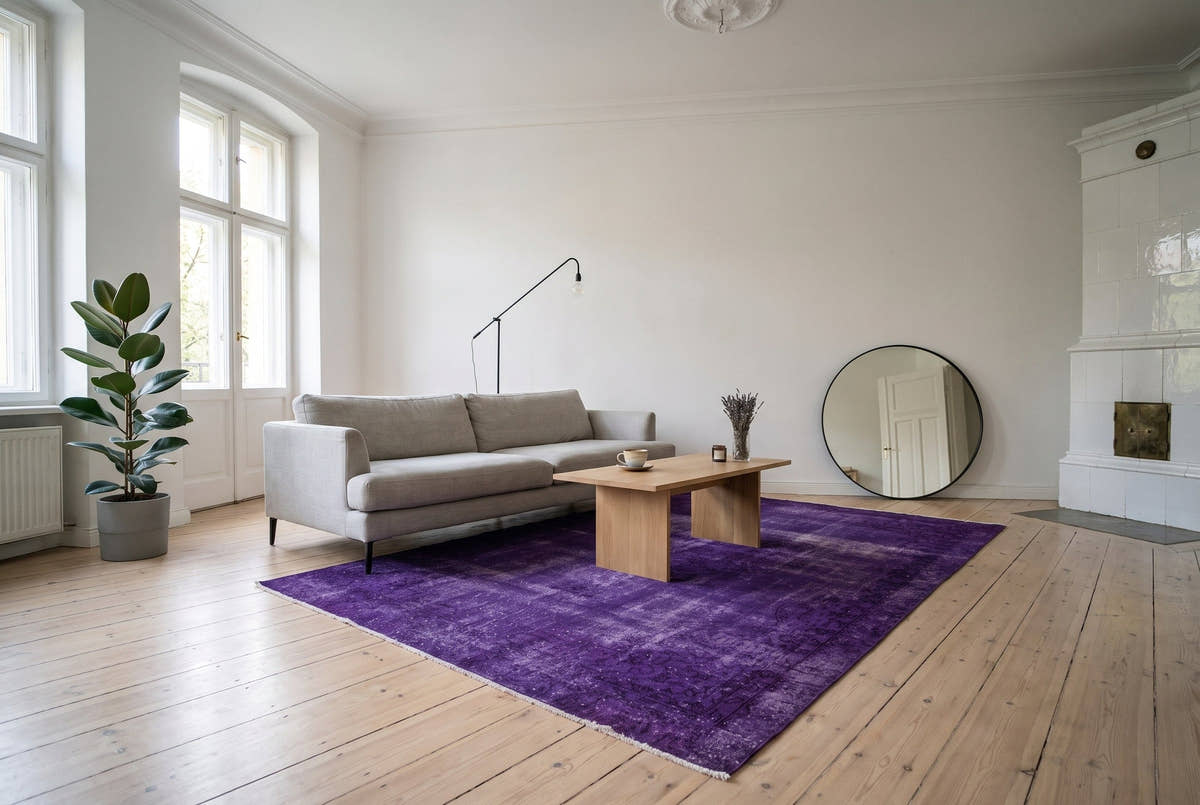
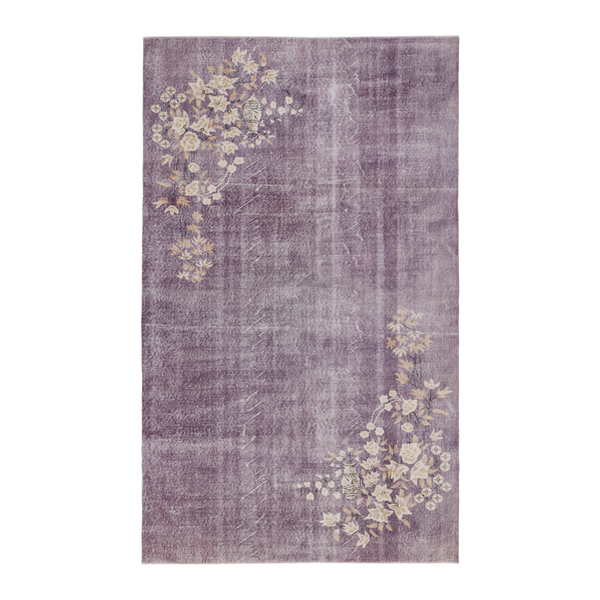
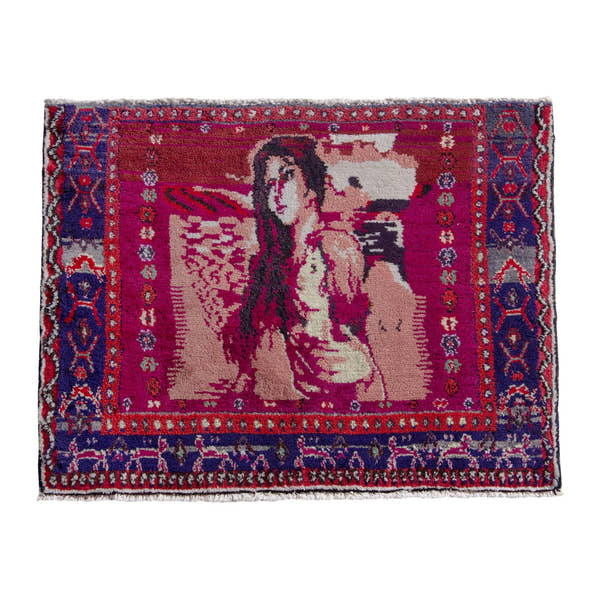
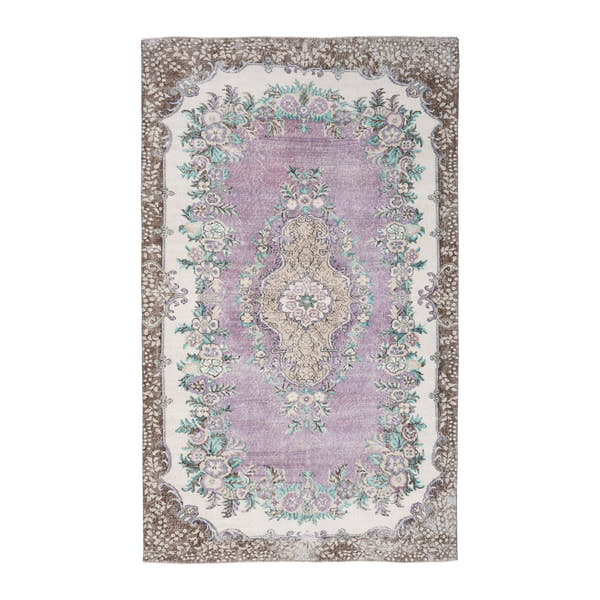
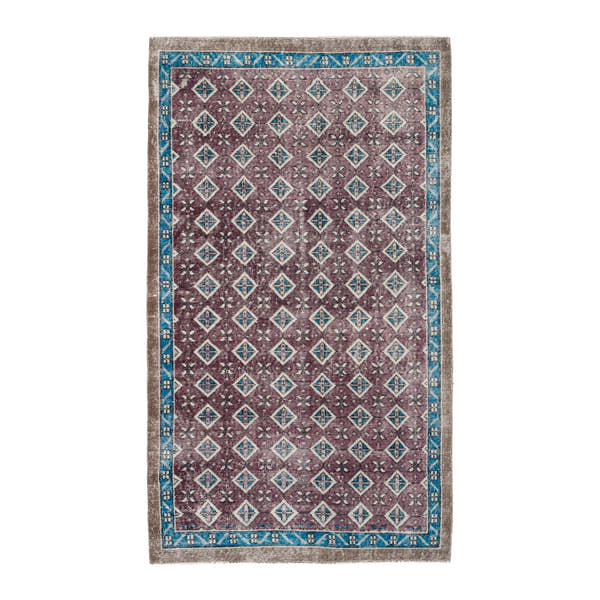
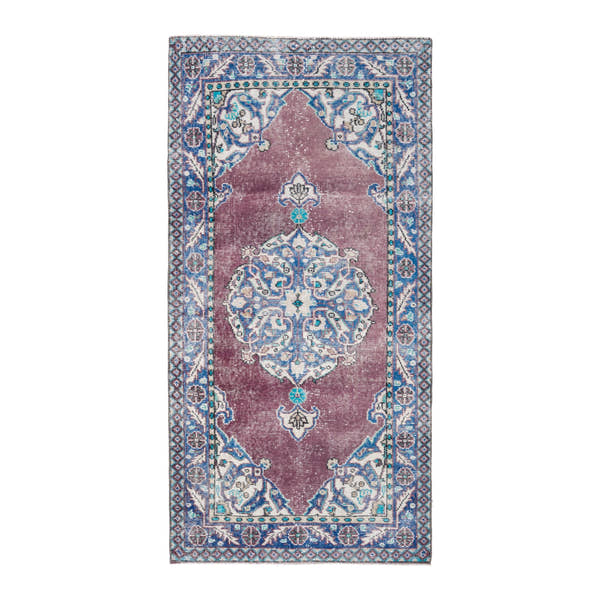
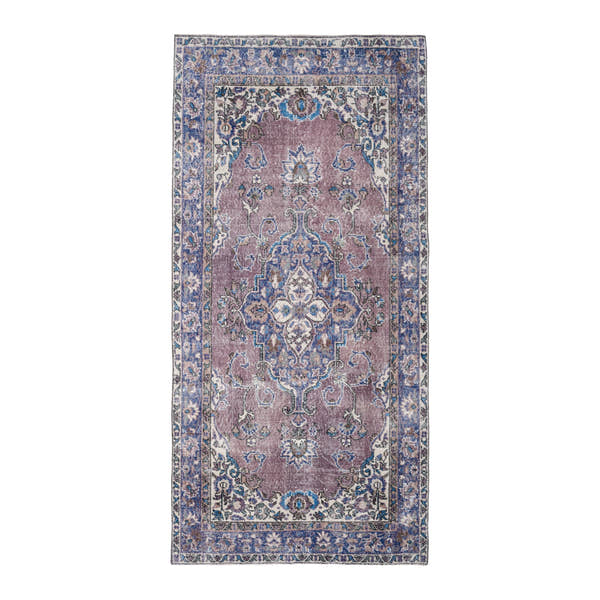
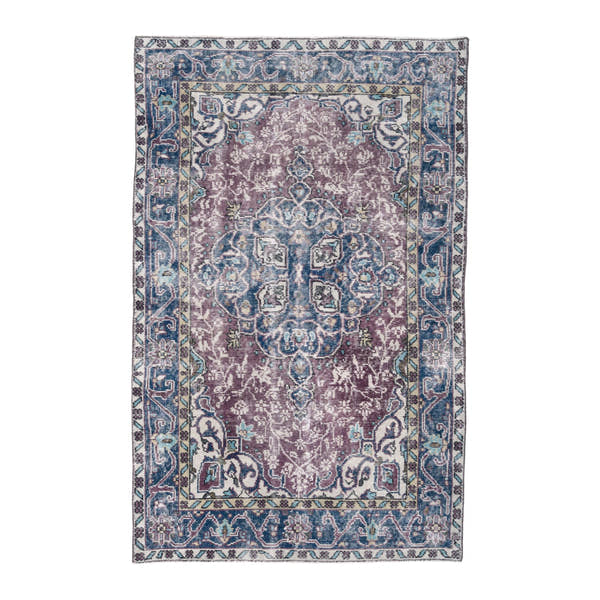
Purple covers more ground than people expect. At the deep end, aubergine and plum feel rich and enveloping, the sort of color that gives a study or dining room real presence after dark. In the middle sit dusky violets, warm and steady beside both old and new furniture. At the soft end, decades of light have thinned some rugs toward mauve and lilac, gentle tones that come close to a warm gray. Because no two pieces faded the same way, each ground carries its own undertone, so it pays to study the field before you commit.
What purple likes to sit beside
The trick with purple is that it straddles warm and cool, so it can steady a cold room or take the edge off a hot one. A few pairings that reliably work:
- Deep plum with brass and cream for a collected, slightly opulent look.
- Aubergine with forest green when you want depth and a touch of drama.
- Soft mauve with blush and pale oak for a calm, romantic scheme.
- Dusky violet with gray and charcoal to keep things modern and understated.
Because purple is so seldom seen underfoot, even a muted example tends to become the thing guests ask about.
Rooms where purple works best
Deep aubergine and plum shine in rooms you mostly use in the evening, a snug, a library, a formal dining room, where lamplight brings out their warmth. Softer mauves are easier in daylight and suit bedrooms and calm sitting rooms. If you are choosing for a particular spot, our living room rugs and bedroom rugs are filtered by room, and the size guide walks through measuring before you buy.
Living with a rare color
For all their drama, these are hard-wearing rugs. Vintage wool has already been walked on for decades, so a purple piece arrives with its character set and its pile worn in; there is no fragile newness to protect. Lay it over a good rug pad, turn it once or twice a year so wear and light spread evenly, and its plum or mauve will hold for a long time. If you love the color but the field feels bold, a smaller accent rug in aubergine or mauve lets you introduce it by the doorway or the bedside rather than across a whole floor. Because purple appears so seldom, a single well-placed piece is usually all a room needs.
Purple rug questions, answered
Why is real purple so rare in old rugs?
Natural purple had to be mixed from two separate dyes, which made it expensive and unpredictable. Most village and town weavers stuck to the reds, blues and ivories they could produce reliably, so a purple field has always been the exception.
Is the purple original, or was it added later?
As far as we can tell from each rug, the color is original and has aged along with the rest of the rug rather than being added later, which is why the tones look layered and slightly uneven rather than uniform.
Will a purple rug overwhelm a small room?
Rarely, if you pick your depth. A soft mauve behaves like a warm neutral and actually makes a small room feel calm; save the deep aubergines for larger or lamp-lit spaces where the richness has room to breathe.
Purple is the one color a room almost never has, which is exactly the appeal. Compare the wider Persian and Turkish collections too, and when a plum or lilac piece speaks to you, act on it: there is only ever one of each.