Orange Rugs
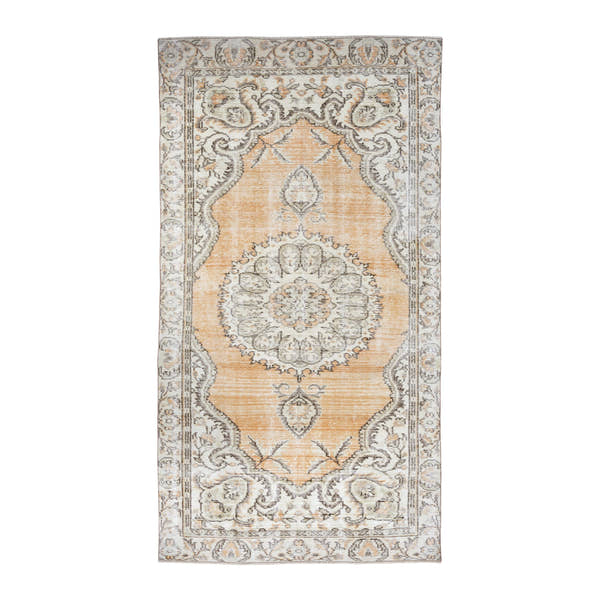
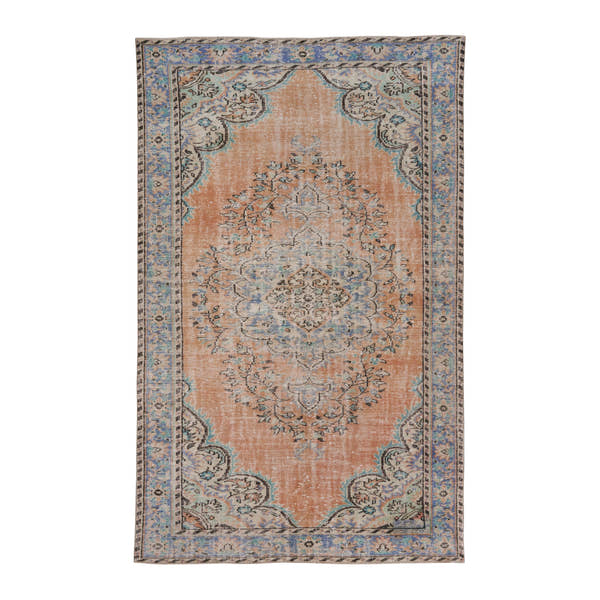
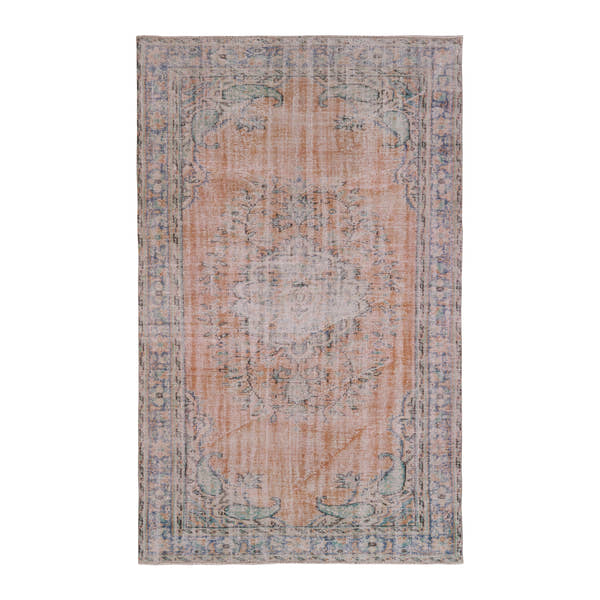
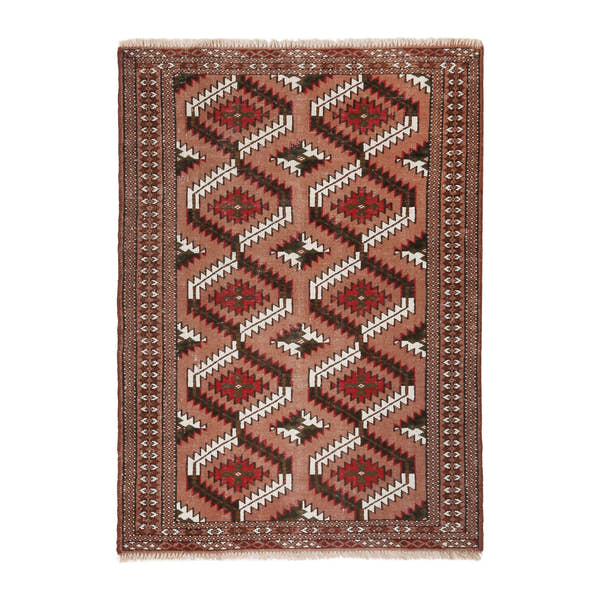
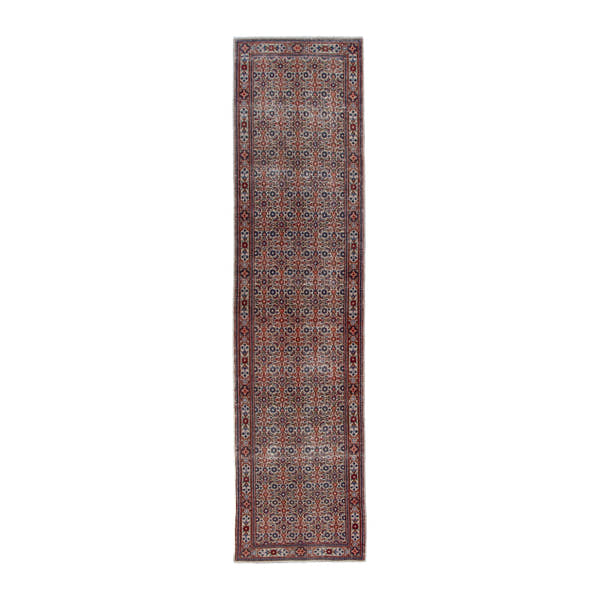
Orange rugs, in vintage form, trade brashness for glow: the rust, terracotta, apricot and burnt sienna that give old carpets their sunlit warmth. Often drawn from madder and softened by decades of daylight, these Persian and Turkish weaves look earthy rather than electric.
They slot straight into the warm, natural rooms everyone is decorating now. Pick the one that looks like late-afternoon light and build the room outward from there.







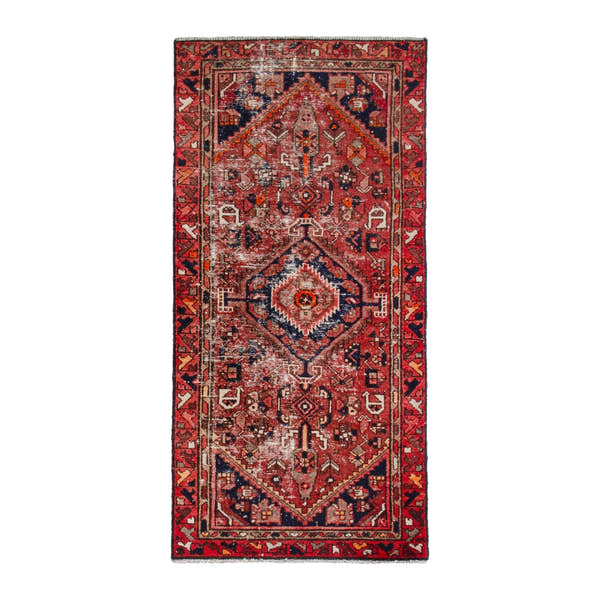

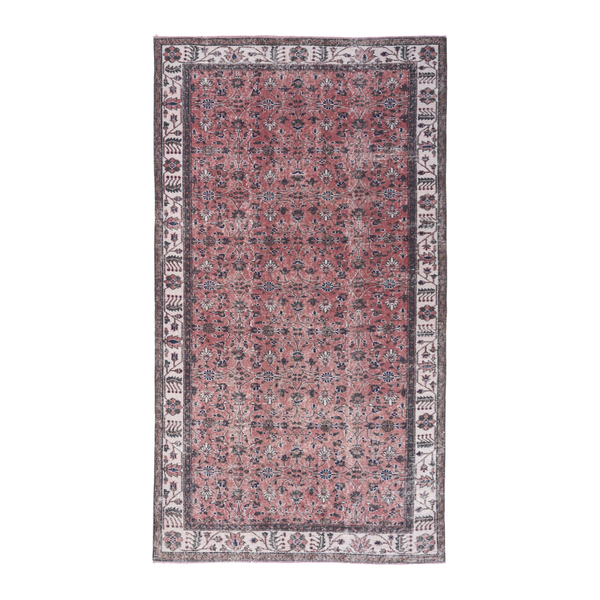
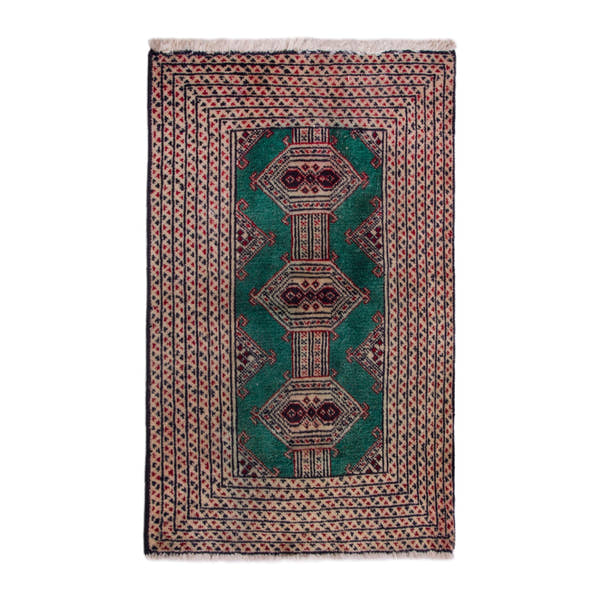

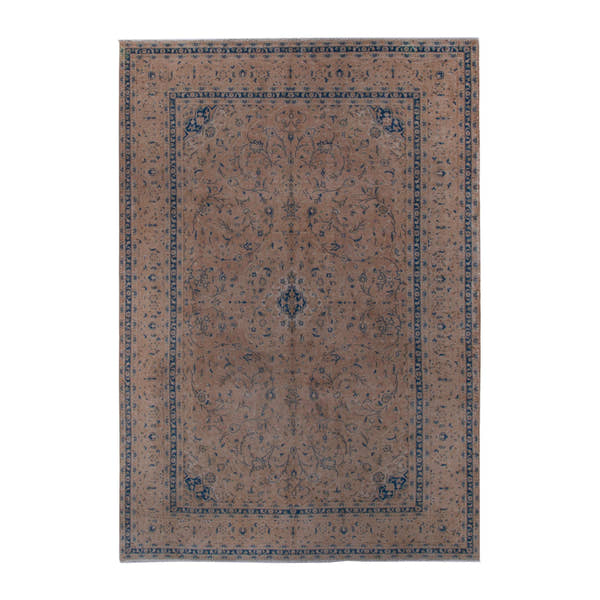






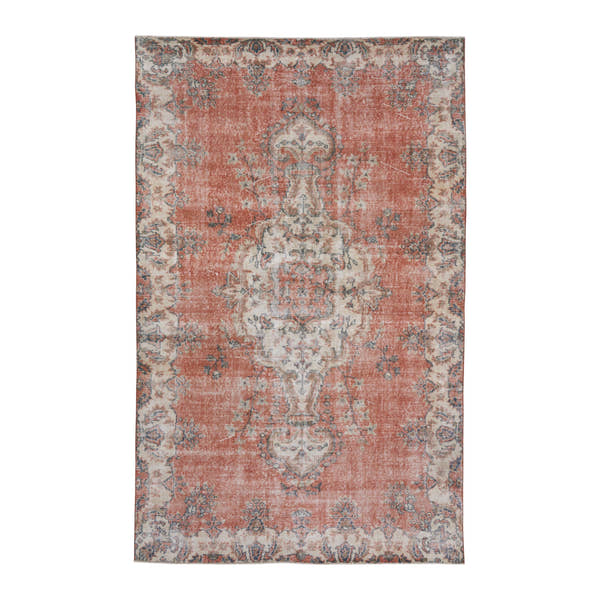


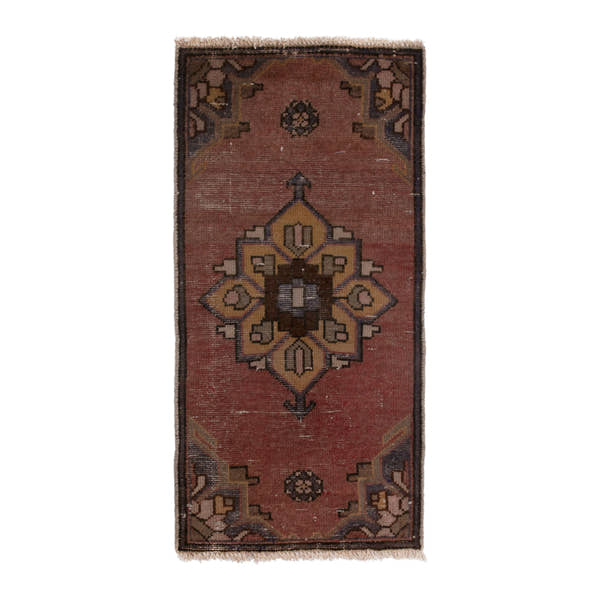


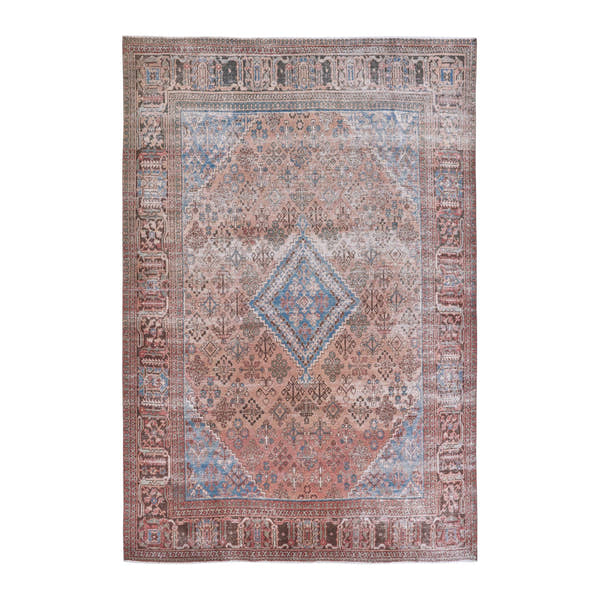

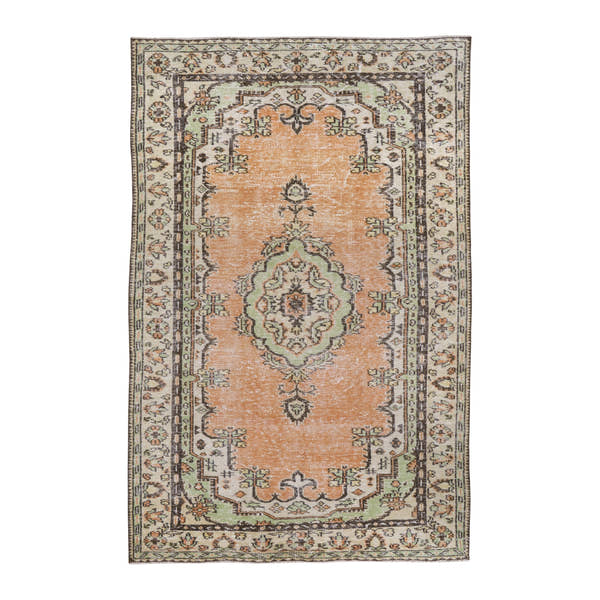
Orange rugs and the warm-room moment
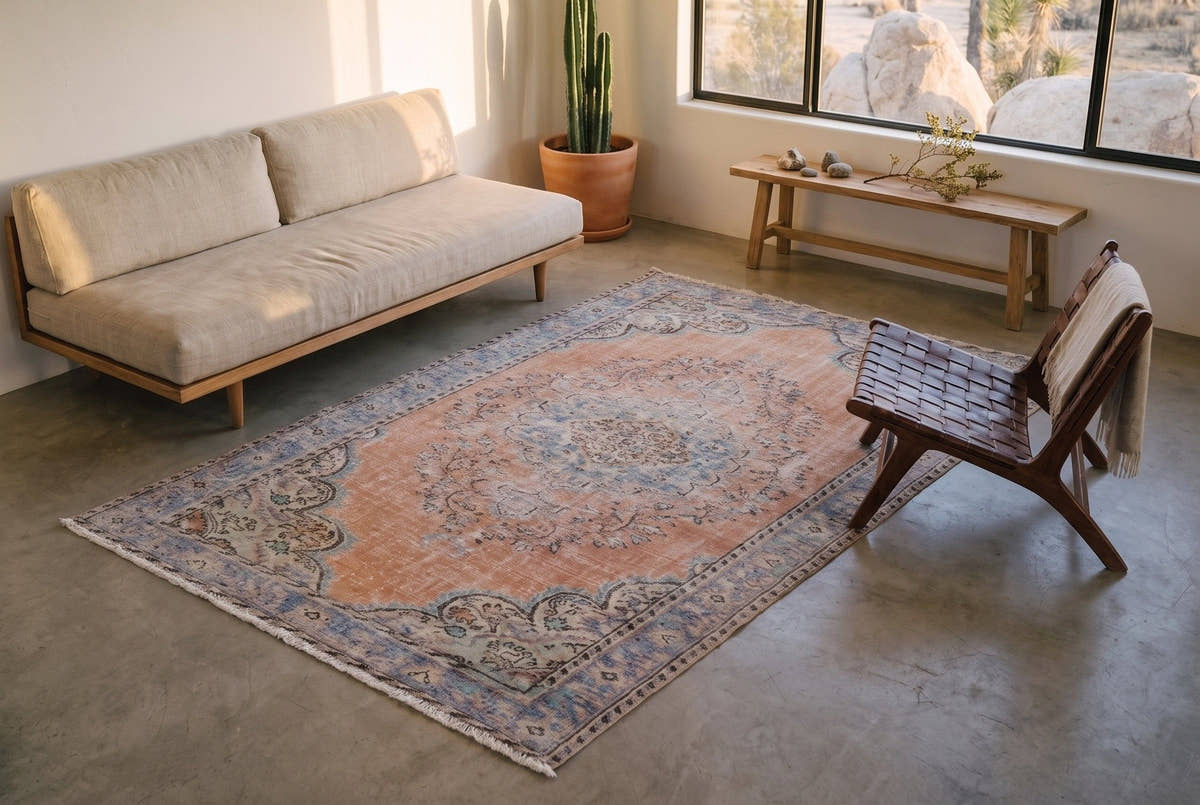
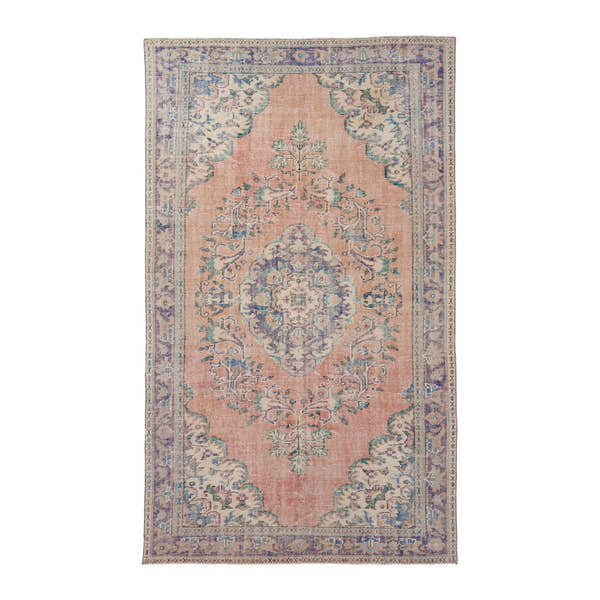
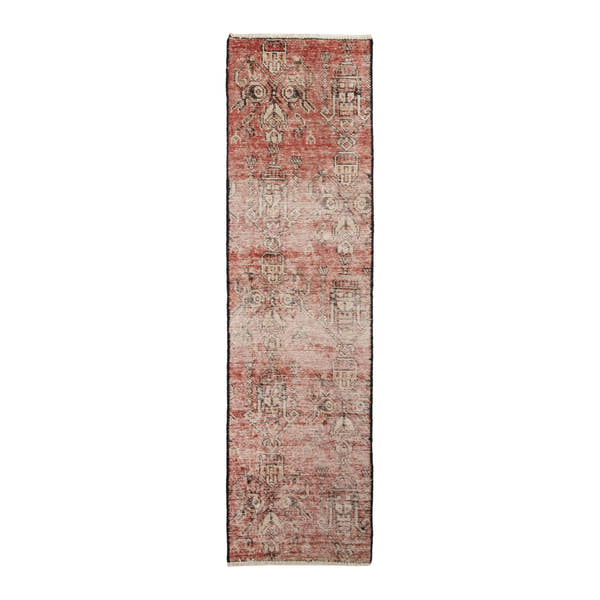
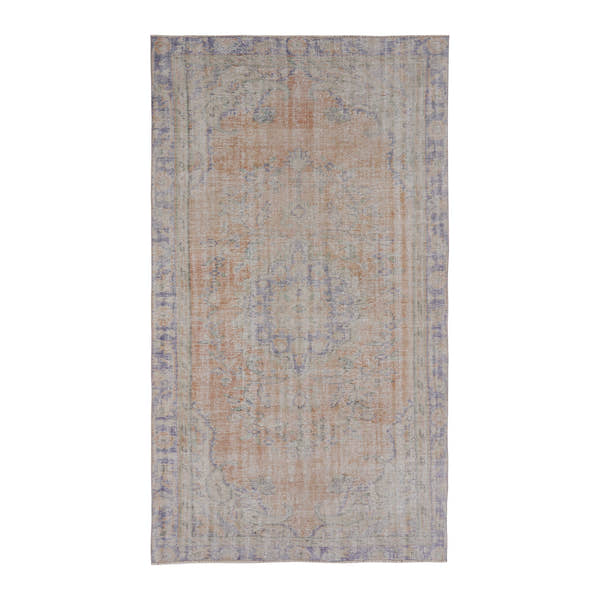
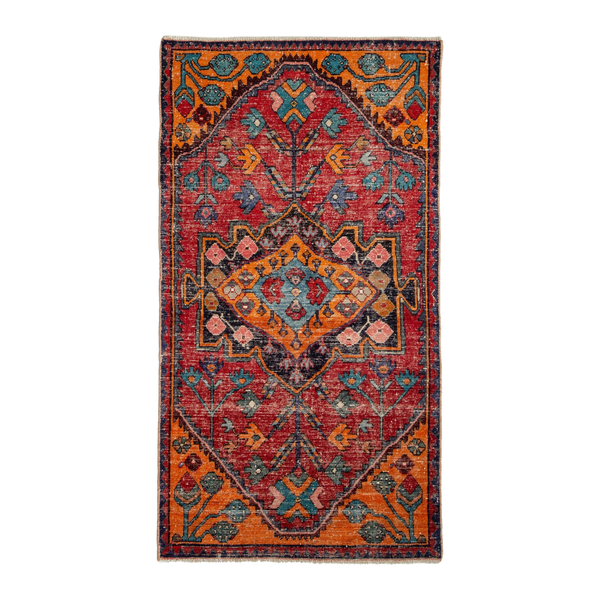
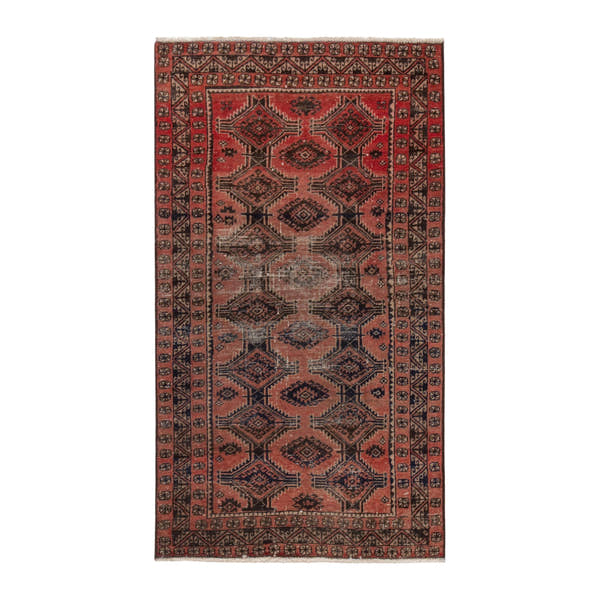
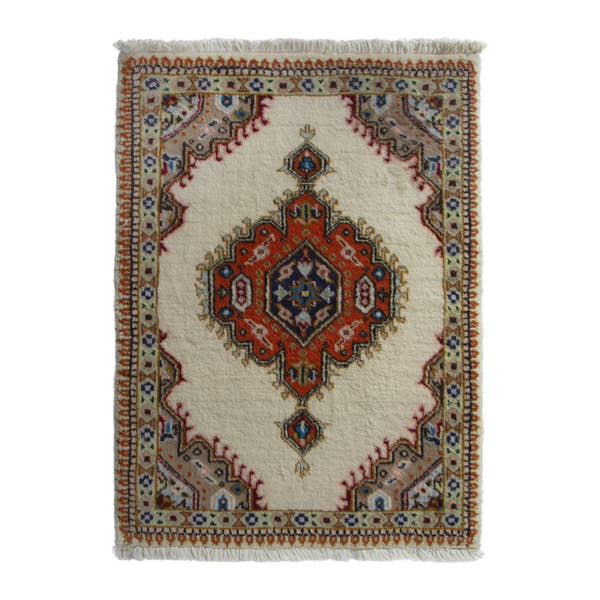
Orange rugs suit the warm, earthy rooms many people are decorating now, and it is no mystery why: the sun-baked oranges of a vintage carpet match that layered look closely. Every orange rug in this collection is a genuine vintage Persian or Turkish weave, its rust and terracotta tones often drawn from madder and mellowed by decades of daylight into something warm rather than loud.
Sunlit tones from madder and time
Madder is the same root that gives red its depth; pushed a little differently in the pot, or faded a little further by the years, it lands in orange territory instead. That shared origin is why these oranges never look artificial; they carry the same earthy undertone as old brick and terracotta tile. Decades of light do the rest, softening a once-strong rust into the glowing, weathered warmth that no new rug arrives with.
Reading the orange range
- Rust & burnt sienna: deep and steady, almost a warm red
- Terracotta: the earthy, Mediterranean middle of the range
- Apricot & amber: lighter and sunnier, easy in an airy room
- Brick: a deeper orange-red, close to rust
Why orange feels current, not retro
The orange rugs that dated so badly in past decades were flat, synthetic and uniform. These are the opposite: uneven, natural and softened by wear, which is why they slot so easily into a contemporary room built on wood, cream, leather and greenery. A rust or terracotta ground brings warmth to a scheme without shouting for attention, and it flatters natural materials like rattan, linen and unlacquered oak.
Making orange sing
Orange is happiest in a warm, natural palette, so surround it with cream, wood and plenty of green and it will look rooted and inviting. For real energy, set a rust rug against deep teal or navy, a contrast that never fails. It brings welcome to a living room, a convivial warmth to a dining room, and a cheerful lift to a north-facing space that struggles for light. Used more sparingly, a faded apricot piece simply makes everything around it look a little better.
Rooms an orange rug lifts
Orange is at its most useful in the rooms that need lifting. A north-facing space that never quite catches the sun warms up the moment a rust or terracotta rug goes down, and a dim hallway feels friendlier for one. In a bedroom a faded apricot brings a soft, sunrise glow rather than heat, while a deeper burnt sienna steadies a study or a snug. If you are decorating a large, open room, an area rug in a softened terracotta is a reliable way to draw a warm, natural scheme together.
One word on combining oranges: keep a single strong warm tone in charge at a time. Let the rug be the terracotta note and pick cooler, calmer companions to sit around it, and the whole room looks considered rather than overheated.
Buying a color that has already aged
The great advantage of a vintage orange is that all the fading has happened. What you see is the mature, final color, not a bright new dye waiting to change. These are hard-wearing wool rugs, professionally cleaned and restored before they are listed, and the warmth of an orange field hides the marks of everyday life well. A rug pad, a half turn every so often so the light falls evenly, and a professional wash every few years make up nearly all the upkeep these rugs will ask of you.
Picking out an orange
Specialists we have trusted for years washed every orange rug here before it was listed, and shipping to the US and Canada is free and fully insured. Because each rug exists only once, a shade you love is worth securing while it is still there.