Rug No. has found its new home.
Every rug we sell is one of a kind, so that piece is gone. Here are others in the same spirit, or tell Rug Finder what you are looking for.
Arak Rugs
Arak, historically Sultanabad, in central Persia gave the trade its most decorator-friendly rugs: roomy all-over designs and an easy, unforced elegance. Ours sit mostly on deep red and burgundy grounds, and about half are runners, so they work in hallways and living rooms alike. Each one is original and was professionally washed before it was listed.


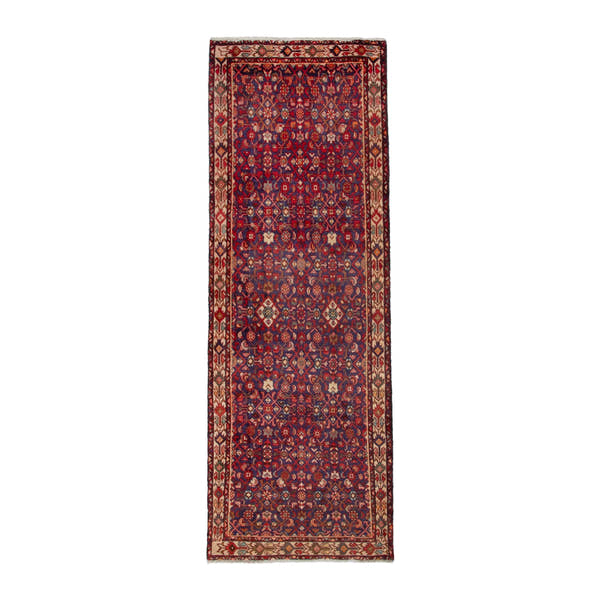


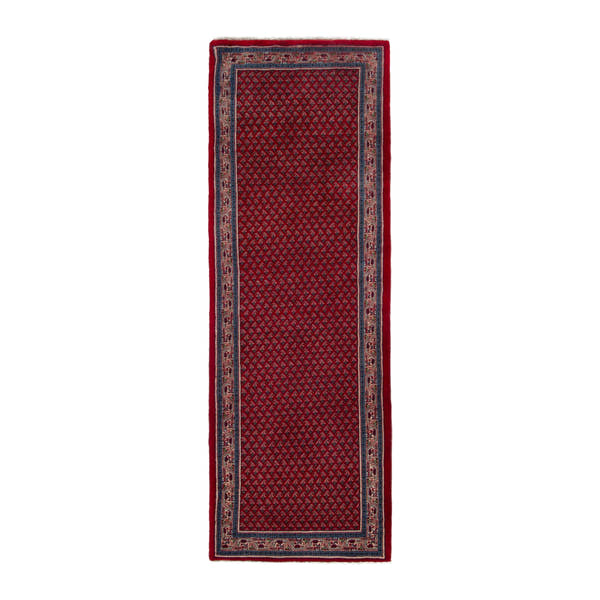


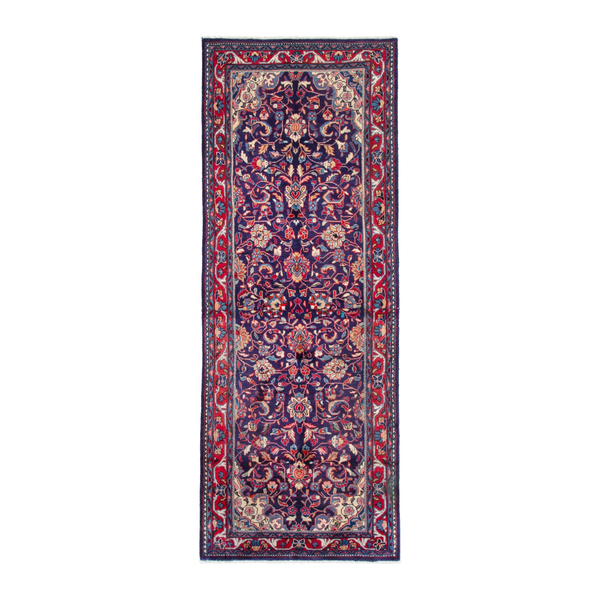

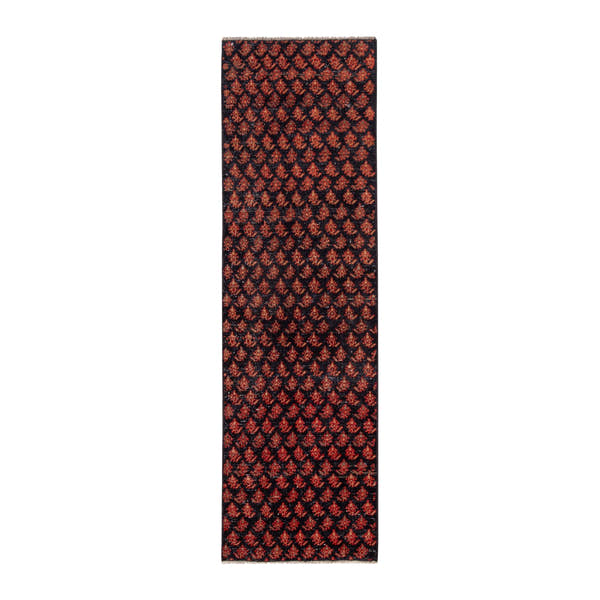
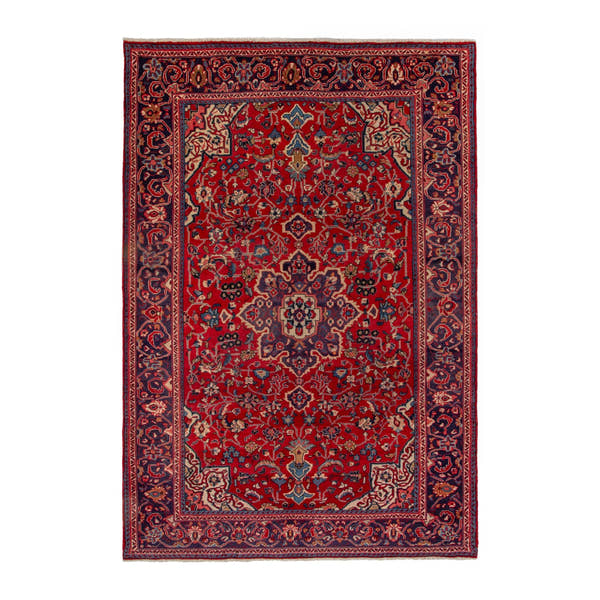
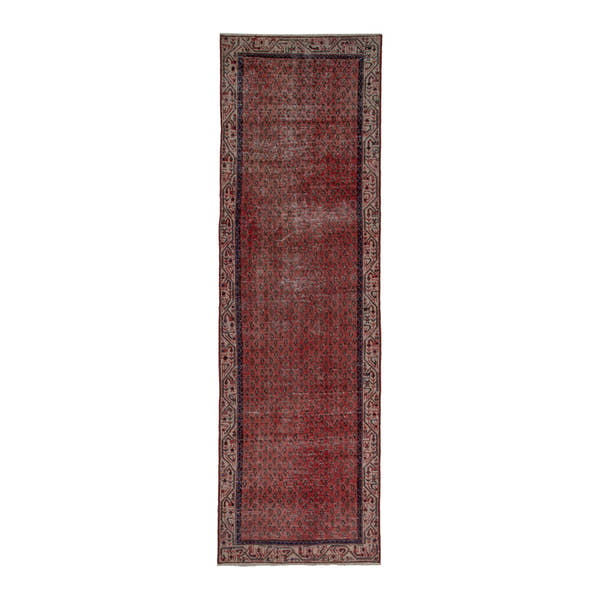
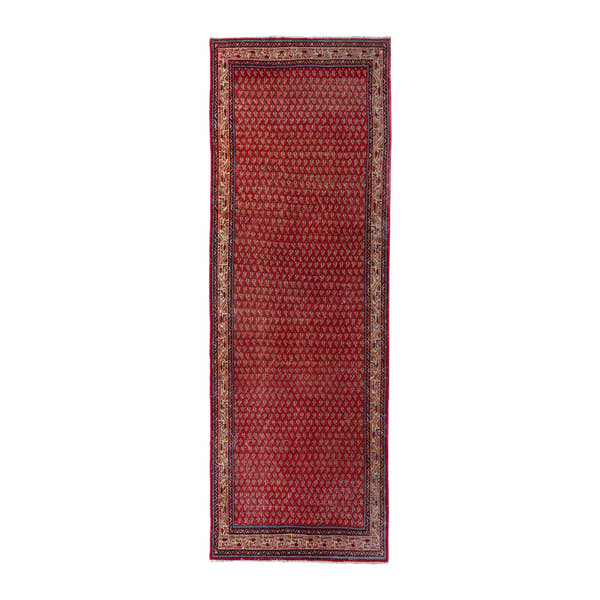
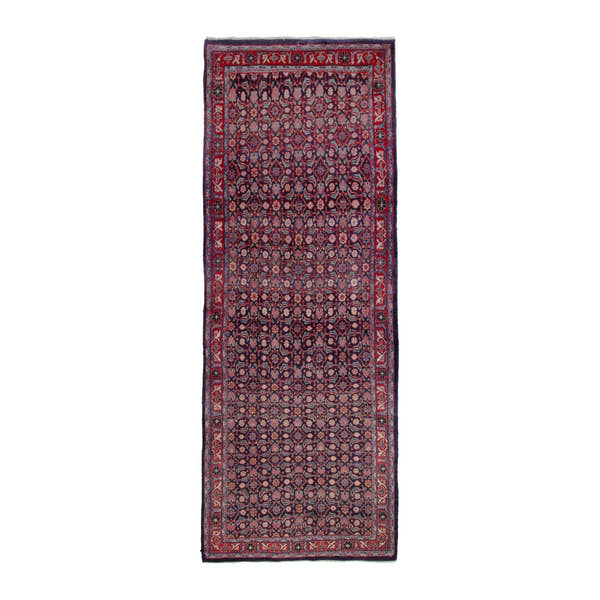
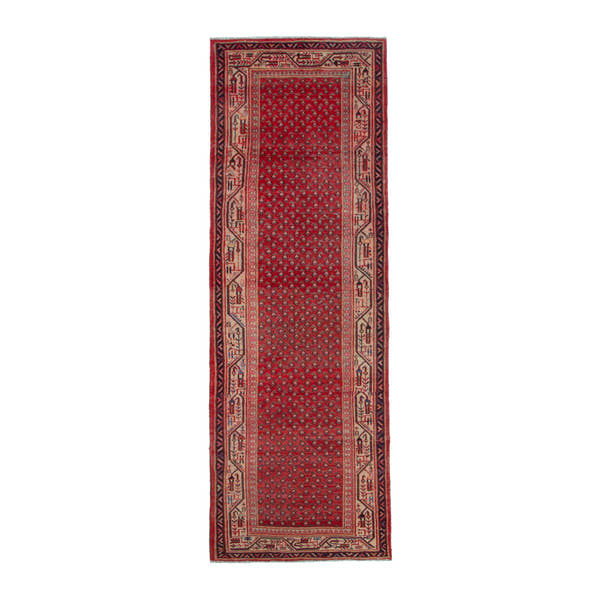
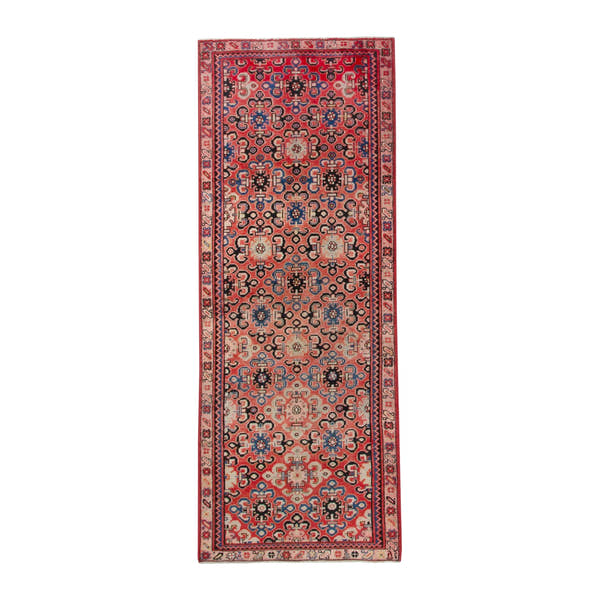


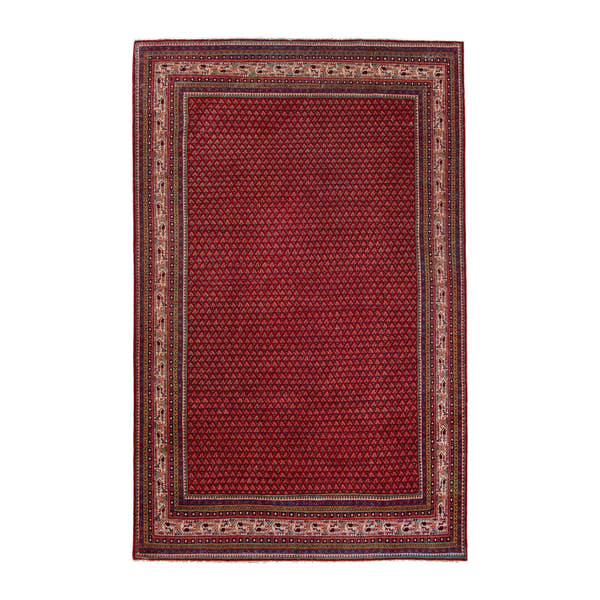

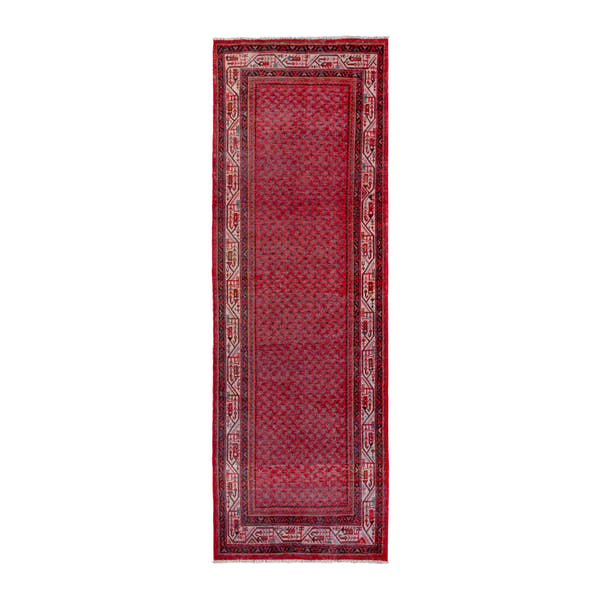

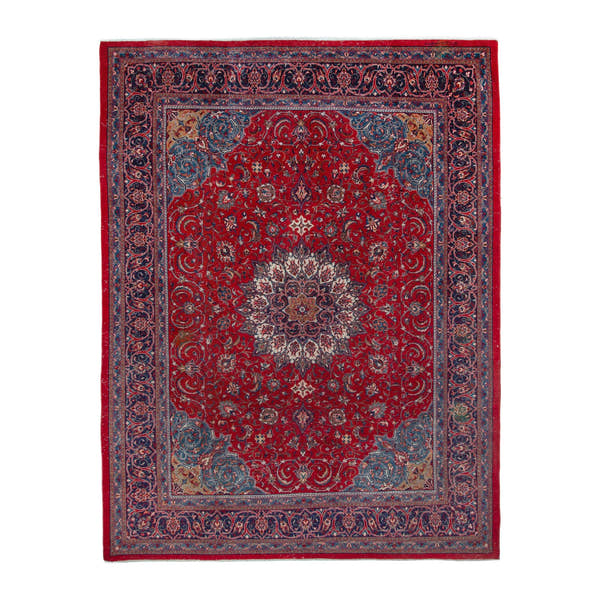


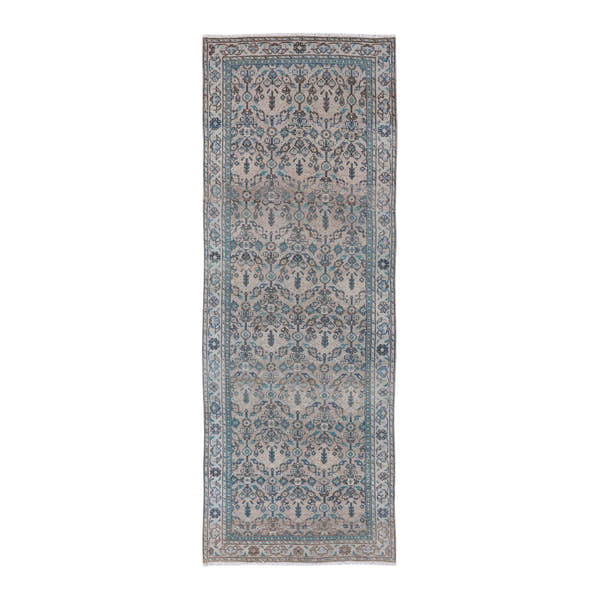

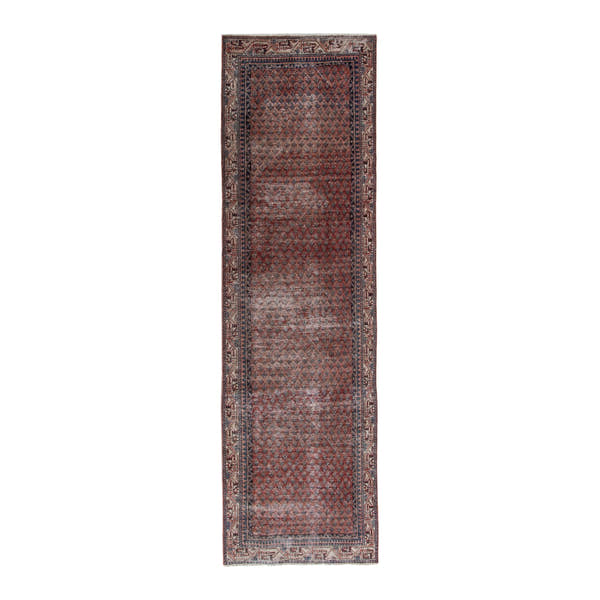
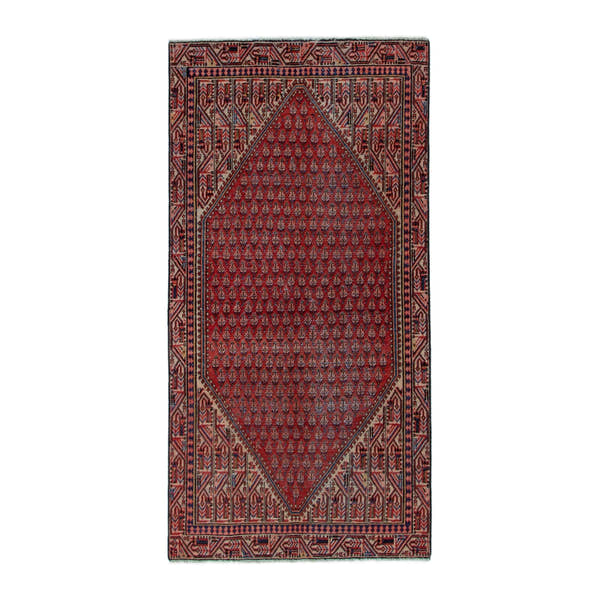
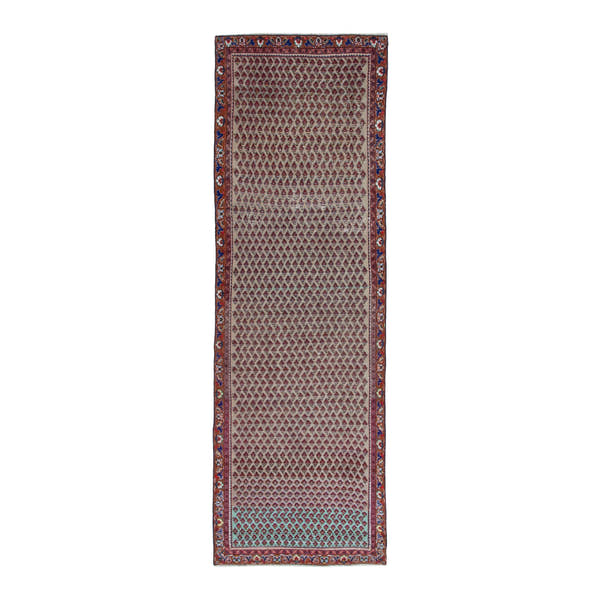

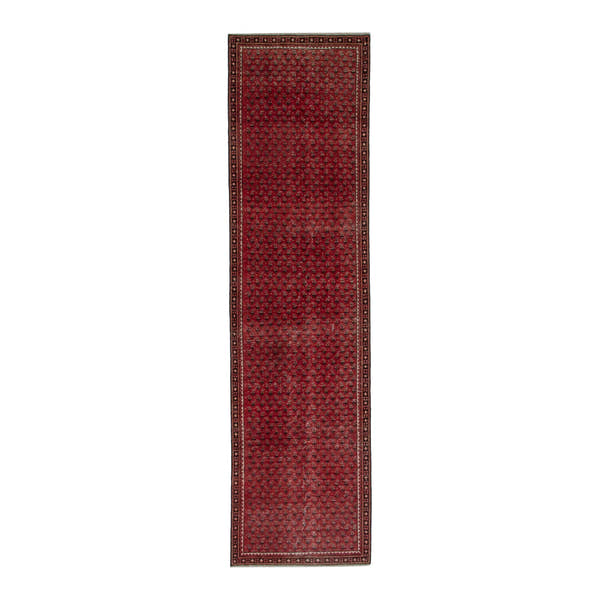

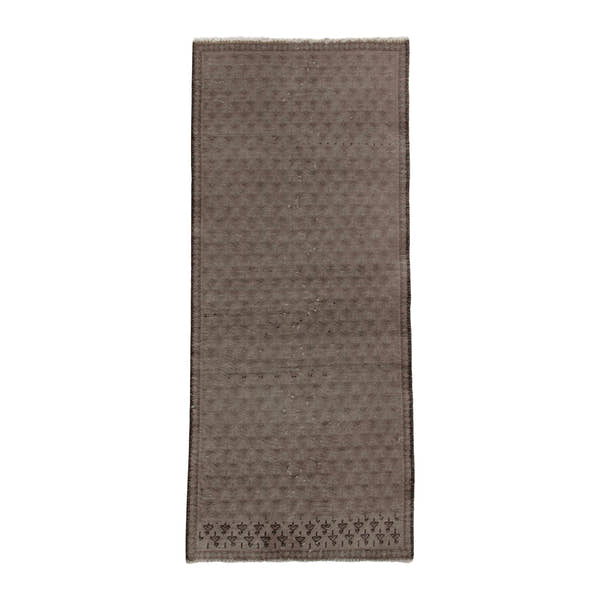


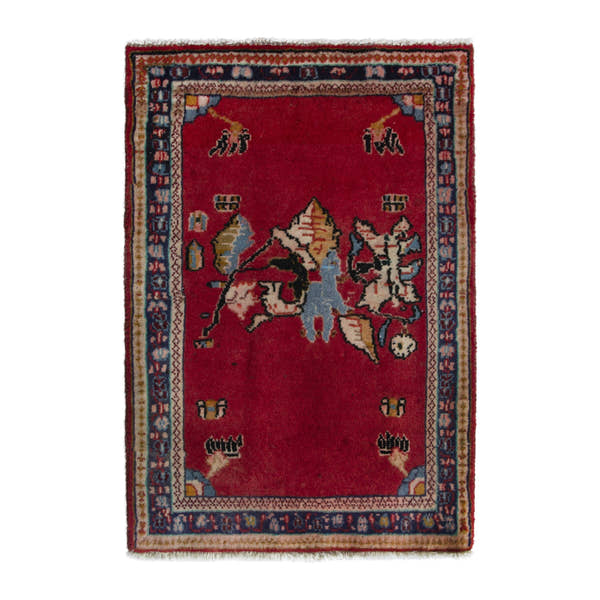


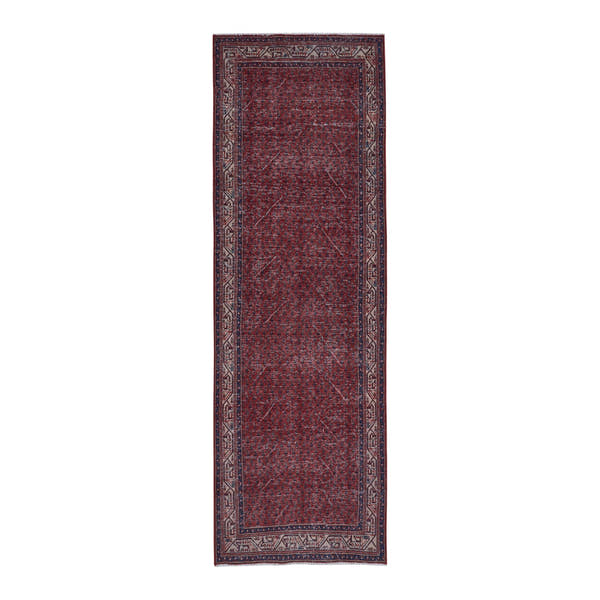
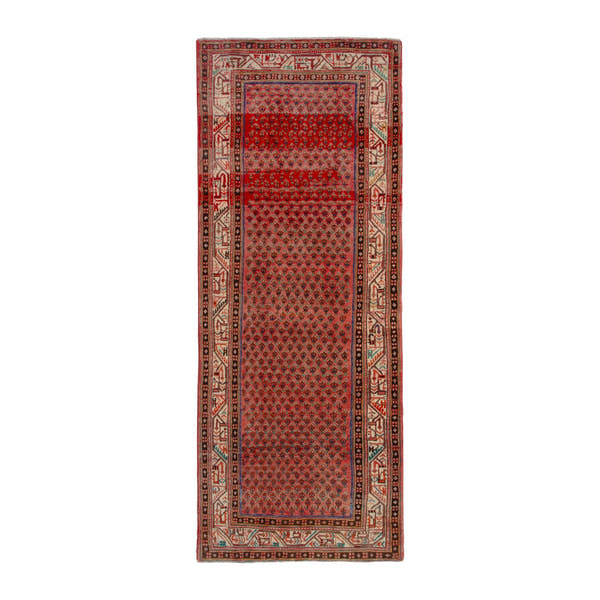

Arak: generous scale and gentle color from central Persia
Arak, formerly Sultanabad, is the market center for a large weaving region in central Persia, and carpets sold under its name share a family character with Mahal weaving from the same area. The drawing tends to be open and large in scale, the grounds mostly deep red, and the construction sturdy village work rather than fine workshop knotting.
These are practical, good-looking carpets that suit real rooms, and they age particularly gracefully.
How to spot an Arak
- Drawing: large-scale all-over patterns and open medallions.
- Color: mostly deep red and burgundy grounds, with navy and ivory in the drawing.
- Weave: firm village construction on cotton.
- Sizes: mostly runners, with some room sizes and small mats.
Living with one
A larger Arak is a good default for a main living space, and the runners suit hallways. The scale of the drawing means it does not look fussy in a big room, and a warm red ground goes with most color schemes without dictating one. They are a sensible choice when you want a proper hand-knotted Persian floor but do not want the room to become about the rug.
What time does to them
Softly. The reds open toward terracotta and rose, the golds toward straw, and the ivories warm. Because the weave is robust, wear tends to show as a general softening of the surface rather than as thin patches.
Questions about Arak carpets
How is Arak different from Mahal?
They come from the same region and are closely related. In practice the names are often used interchangeably in the trade, with Mahal tending to describe the more openly drawn village pieces.
Are they hard-wearing?
Yes. Village construction and good local wool make these carpets very serviceable, which is why they age so well.
Do they suit modern rooms?
Particularly well. The large-scale drawing and simple, warm grounds are exactly what tends to work under contemporary furniture.
Starting your search
Take the size and the ground tone first. Every piece here is a single carpet with its own history.
Arak, formerly Sultanabad, and the boteh that became Paisley: the Arak guide.